Logan · 4114
Water Damage Restoration
Logan Central
24/7 emergency water extraction, structural drying and mould prevention for Logan Central homes and businesses — documented for your insurer from the first hour.
- Typically within 65 minutes
- IICRC S500 drying standard
- Insurance-ready reports
Get help in Logan Central
~65 min
Typical response to Logan Central
24/7
Emergency dispatch, 365 days
Cat 1–3
Clean, grey and black water handled
S500
IICRC drying standard followed
Water damage in Logan Central
Where the water comes from
in Logan Central.
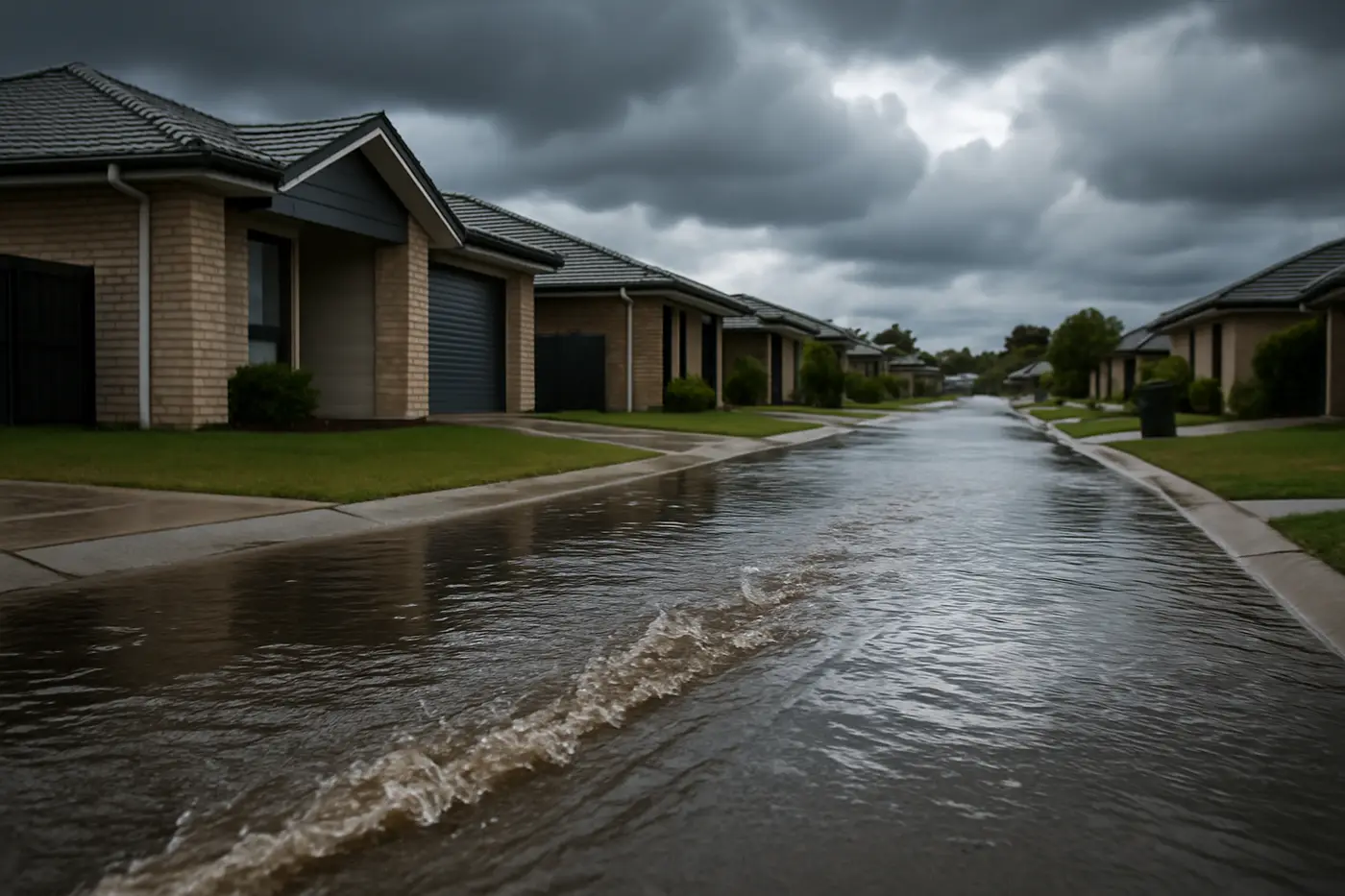
Logan Central is the civic heart of Logan City, built out through the 1970s and 80s in brick and timber homes with a large stock of walk-up flats and townhouse complexes. Scrubby Creek and Slacks Creek run through the flat ground around it and rise fast in afternoon storms, while ageing plumbing and shared pipework in the unit blocks keep the everyday calls coming.
Crews on the ground locally
Regular work around Logan Central Plaza, Logan Gardens, Logan Central Station and Scrubby Creek, and the streets between.
- Median home age
- ~45 yrs
- Residents
- ~6,548
Notes from our Logan Central crew
Logan Central sits on flat ground between Scrubby Creek and Slacks Creek, and both creeks drain a big, heavily paved catchment that responds to a storm within an hour. When an afternoon cell tracks up from the south-west the creeks come up quickly through the reserves and parkland and push overland flow across the low streets, under garage doors and across the slabs of the low-set brick homes. Creek water is Category 3 by the time it has crossed a road, so carpets, underlay and lower gyprock come out and the slab is cleaned and sanitised before drying starts. Sewer surcharge in the same streets is a regular follow-on after prolonged rain. The housing is mostly 1970s and 80s brick veneer and timber, with a large proportion of walk-up flats and townhouse complexes built through the same period.
The plumbing is the same age as the buildings, so hot water systems, flexi hoses and copper pipe pinholing in the walls are the everyday calls. The unit blocks bring the multi-unit pattern: a burst pipe or failed washing machine on an upper level tracking down through two or three flats below, shared stormwater backing up into ground-floor units, and a body corporate or property manager who needs a moisture map and photo report for the insurer. Timber homes on the flatter blocks hold subfloor moisture and mould through the humid months if nobody looks under the house. Travel times from Brisbane are reasonable via the Pacific Motorway and we cover Logan on the same 24/7 basis.
What we see most
Common water damage
issues in Logan Central.
Not generic pain points. These are the patterns that make up most Logan Central call-outs, ranked roughly by how often they land on the schedule.
Scrubby Creek and Slacks Creek flash flooding through the low streets and creek reserves
Failed hot water systems and flexi hoses in 1970s-80s brick and timber homes
Water travelling through multiple units in older walk-up flats and townhouse complexes
Sewer surcharge and overland flow across flat, heavily built-up blocks
Subfloor dampness and mould under timber homes on the flatter blocks
Something else in Logan Central?
Burst pipes, appliance leaks, air-con condensate, sewer backflow — if it is wet, we can assess it. Tell us what happened and whether it is still active.
Request an assessment
Services in Logan Central
Choose the help your
Logan Central property needs.
Every service below is available across Logan Central and the rest of Logan on the same 24/7 basis, with the response matched to the water category and the building.
Water Damage Restoration in Logan Central
Extraction, moisture mapping, structural drying and sanitising after burst pipes, leaks and overflows.
Learn moreFlood Damage Restoration in Logan Central
Creek and river flood cleanup — contaminated water removed, materials stripped, structure dried and treated.
Learn moreEmergency Water Damage in Logan Central
24/7 dispatch for active water. Stop the spread, extract, stabilise and document for the insurer.
Learn moreFlooded Carpet Drying in Logan Central
Carpet and underlay assessed, extracted and dried in place where the water category allows.
Learn moreStorm Damage Restoration in Logan Central
Make-safe, water ingress drying and contents protection after storm cells and cyclones.
Learn moreWet Floor Drying in Logan Central
Timber, laminate, tile and slab drying with mat systems and monitored moisture readings.
Learn moreMould Remediation in Logan Central
Containment, removal and moisture correction to IICRC S520 so it does not return.
Learn moreWater Extraction in Logan Central
Truck-mounted and portable extraction for standing water, before drying equipment goes in.
Learn moreSewage Cleanup in Logan Central
Category 3 black-water cleanup, removal, disinfection and clearance testing.
Learn moreFire & Smoke Damage Restoration in Logan Central
Soot and odour removal, contents cleaning and water damage from firefighting.
Learn more
Before we arrive
The first hour in Logan Central
decides what can be saved.
Brisbane humidity gives wet gyprock and timber around 24 to 48 hours before mould colonises. Four steps, in this order, while the crew is on the way.
Full first-hour checklistStop the water
Close the isolation tap or the meter if it is safe to reach. If the water is coming from a creek, the river or a sewer, stay out of it — that is Category 3 and it is not worth wading through.
Power and safety
Switch off circuits feeding wet rooms if the switchboard is dry. Do not touch power points, appliances or light fittings that have water in or near them.
Lift what you can
Furniture onto blocks, rugs off carpet, boxes off the floor. Do not carry flood-soaked items through dry rooms — it spreads contamination.
Photograph everything
Timestamped photos of the source, the water line and every affected room before anything is moved. Keep damaged materials until your insurer has seen them.
Nearby suburbs
Also covering the rest of Logan.
Slacks Creek, Scrubby Creek and the Logan River. Same crews, same 24/7 response and the same drying standard across every Logan postcode.
Explore all service areasInsurance documentation
What your insurer will ask for after a Logan Central claim.
Queensland insurers decide water claims on cause, timing and evidence. We build the file from the first visit so nothing has to be reconstructed later.
- Storm or flood? The distinction decides your claim. Logan City Council's flood mapping shows which Logan Central blocks sit in a mapped flood corridor.
- Moisture logs and photos Insurers expect daily readings, a photo record and a drying certificate. We produce all three on every job.
- Make-safe and mitigation Emergency extraction and drying are usually covered when documented. Waiting for approval before extracting only adds to the loss.
Logan Central questions
What Logan Central owners ask first.
Straight answers on response times, local flood risk, insurance and how long the drying takes.
All questionsHow quickly can you get to Logan Central?
Active water is prioritised over everything else. Typical travel time to Logan Central addresses is around 65 minutes from the nearest crew, any hour of the day, and we confirm a real arrival window when you get in touch rather than a marketing guess. While you wait, shut the water off if it is safe and start lifting contents clear of the floor.
Is Logan Central at risk of flooding?
The most common water damage pattern we see in Logan Central is Scrubby Creek and Slacks Creek flash flooding through the low streets and creek reserves, followed by failed hot water systems and flexi hoses in 1970s-80s brick and timber homes. Logan City Council's flood mapping shows whether a specific block sits inside a mapped flood corridor. Creek and river water is Category 3, so porous materials that touched it are removed rather than dried in place.
Will insurance cover water damage in Logan Central?
Most home policies cover sudden escapes of water such as burst flexi hoses and hot water systems, and storm water that enters through wind damage. Riverine and creek flooding depends on whether your policy includes flood cover under the standard Insurance Council of Australia definition. Make-safe and mitigation costs are usually covered when documented, so we log moisture readings and photograph every stage from the first visit.
How long does drying take in Logan Central?
Structural drying typically runs three to five days with air movers and LGR dehumidifiers monitored daily, longer for saturated slabs, subfloors and wall cavities. Brisbane humidity gives wet gyprock and timber around 24 to 48 hours before mould colonises, which is why extraction on day one matters more than anything that happens later. Equipment comes out when the meters say the materials are back to dry standard, not on a fixed day.
Water in your Logan Central property?
Let's get Logan Central dry, properly.
Tell us what happened, where the water is and whether it is still active. A restoration coordinator will confirm coverage for Logan Central, an arrival window and what your insurer will need.