- #flexi-hose
- #prevention
- #plumbing
- #water-damage
- #brisbane
Burst flexi hoses are the most common cause of domestic water damage claims in Brisbane. These braided stainless steel hoses connect taps, toilets, dishwashers and washing machines to the water supply, and when the braid corrodes and the inner liner ruptures, mains-pressure water runs unchecked until someone turns it off. The fix is cheap: inspect them, replace them every five to ten years, and turn off the water when you travel.
That paragraph is the whole prevention message. The rest of this article explains why a small hose does so much damage, how to inspect yours, and what happens after one lets go.
What a flexi hose is and where yours are
A flexible connector, or flexi hose, is a length of rubber or EPDM tubing wrapped in a woven stainless steel braid with a threaded nut at each end. They replaced rigid copper tails in the 1990s because they are fast to fit and forgiving of misalignment.
A typical Brisbane house has eight to fifteen of them:
- Two under every vanity basin (hot and cold).
- Two under the kitchen sink, plus one to the dishwasher.
- One or two behind the toilet (cold, and sometimes a bidet or in-wall cistern).
- Two behind the washing machine and one or two on the laundry tub.
- One or two on the hot water system’s inlet.
- Sometimes one on a fridge with an ice maker or a filtered tap.
Most of them are behind cabinet doors, in the dark, and never looked at. That is the problem.
Why they fail
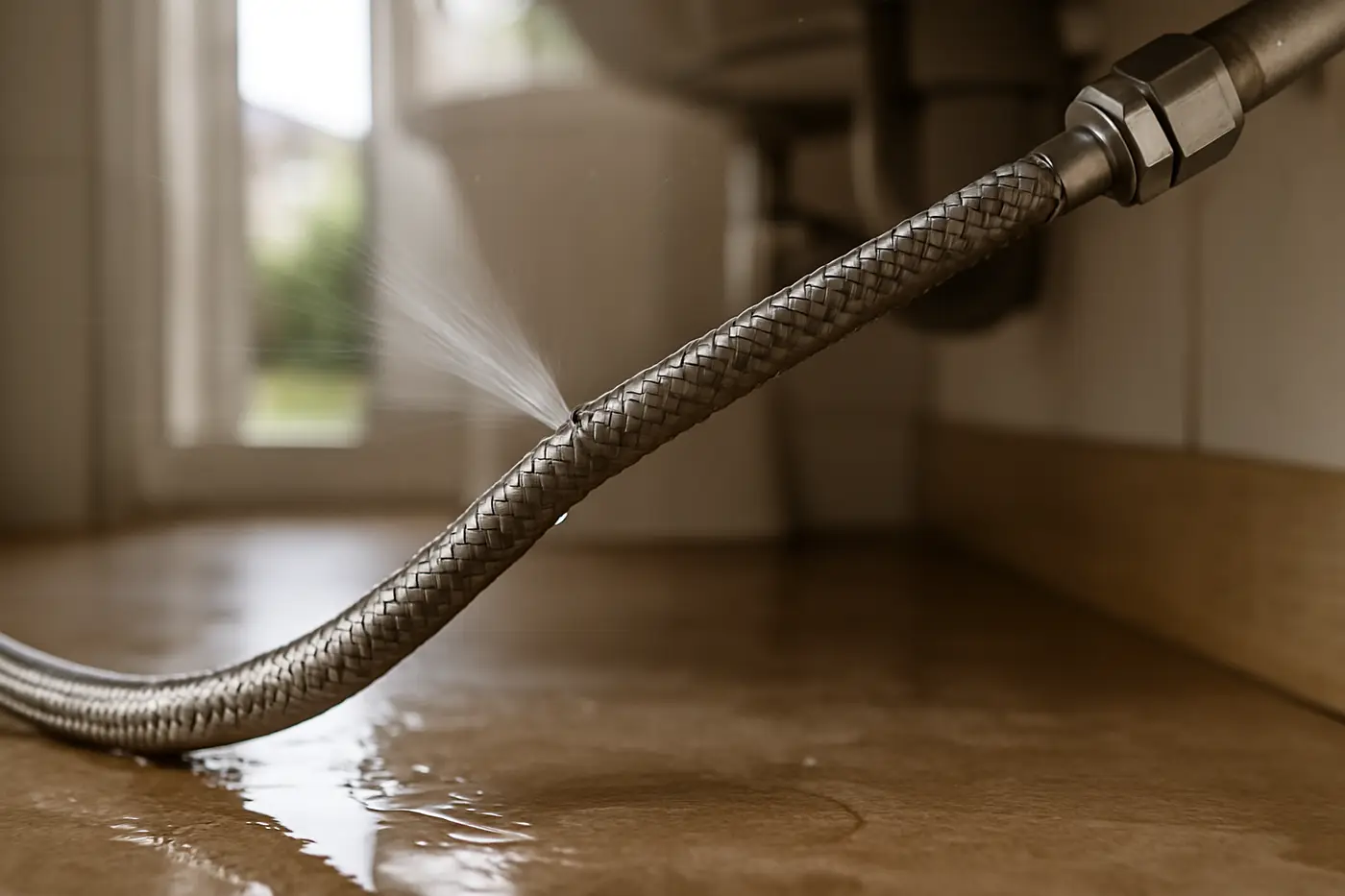
A flexi hose has two jobs: the liner holds the water, and the braid stops the liner expanding and bursting under pressure. When the braid fails, the liner is on its own, and a rubber tube at 500 kPa lasts about as long as you would expect.
Corrosion of the braid. The braid is stainless steel, but “stainless” is relative. Chlorine attacks it. Under the kitchen sink, that means bleach, toilet cleaners and dishwasher tablets stored in the cupboard, giving off vapour in a closed space. Under a vanity, it means the same plus the humidity of a bathroom. Corroded braid looks rusty, frayed or has broken strands standing up.
Kinking and twisting. A hose bent sharply or twisted on installation puts constant stress on the braid at one point. Failures cluster at the crimp near the fitting.
Cheap product. Hoses that do not carry WaterMark certification for use in Australia have thinner braid and poorer liners. They are common in bargain vanity packages and DIY installs.
Age. Even a good hose in a good location has a service life of five to ten years. Rubber hardens and cracks. Brisbane’s warm bathrooms and laundries do not help.
Pressure. Brisbane mains pressure varies by suburb and elevation, and some homes on the low side of hilly suburbs like Paddington, Toowong and The Gap see pressure well above the 500 kPa limit that a pressure limiting valve is supposed to enforce. If your house has no PLV, or an old one, every hose is working harder.
How much water, how fast
Mains pressure through a fully ruptured hose can deliver 10 to 20 litres a minute. The arithmetic is unpleasant:
| Duration before discovery | Approximate water released |
|---|---|
| 30 minutes (you were home) | 300–600 litres |
| Overnight (8 hours) | 5,000–10,000 litres |
| A working day (10 hours) | 6,000–12,000 litres |
| A long weekend (72 hours) | 40,000–85,000 litres |
A slab-on-ground house in an estate like Springfield Lakes or North Lakes has nowhere for that water to go. It runs under the carpet and floating floors, across the slab into every room, up into the bottom of every plasterboard wall and into every kickboard and cabinet carcass it touches. An upstairs vanity in a two-storey home sends the water through the ceiling below.
A Queenslander on stumps sheds the water through the floorboards, which limits the spread inside but soaks the subfloor and can undermine stumps if the soil beneath is reactive clay.
Spotting a hose that is about to fail
A ten-minute inspection twice a year catches most failures before they happen. Open every cupboard and cistern access panel, use a torch, and look for:
- Rust or discolouration on the braid, especially near the fittings.
- Frayed, broken or bulging strands of braid.
- Bulging of the hose itself, which means the liner is pushing through a weak braid.
- Kinks or tight bends, particularly right at the nut.
- Green or white crust on the nuts, indicating a slow weep.
- Dampness, staining or swelling of the cabinet floor beneath.
- A manufacture date older than five years in a kitchen or laundry, or ten years anywhere.
If any of those are present, replace the hose. It is a plumber’s job under Queensland plumbing law unless you are simply replacing a like-for-like connector on a tap, and even then a plumber will spot the issues you will not.
Prevention that actually works
Replace on a schedule. Every five years in kitchens, laundries and hot water inlets; every ten at most elsewhere. Put a date on the hose with a marker or a tag.
Buy certified hoses. Look for the WaterMark logo. Pay the extra few dollars for a hose with a known brand and a long warranty.
Move the chemicals. Bleach and chlorine cleaners live somewhere other than the cupboard with the hoses.
Fit isolation taps you can reach. Every hose should have a quarter-turn mini stop tap behind it that you can turn without dismantling the cupboard.
Check your pressure limiting valve. If your house has none, or your taps hammer and spit, have a plumber test the pressure and fit or replace the valve.
Turn the water off when you leave. The meter is at the front boundary; the tap on the house side turns clockwise to close. This one habit would prevent most of the catastrophic overnight and holiday failures we attend.
Consider a leak detection shut-off. Battery sensors on the cabinet floor that sound an alarm are cheap. Whole-house automatic shut-off valves that close when flow is abnormal are more expensive but are increasingly offered as an insurance discount.
When it bursts anyway
If you come home to water, or wake to the sound of it, the sequence is the one in our first hour after water damage guide:
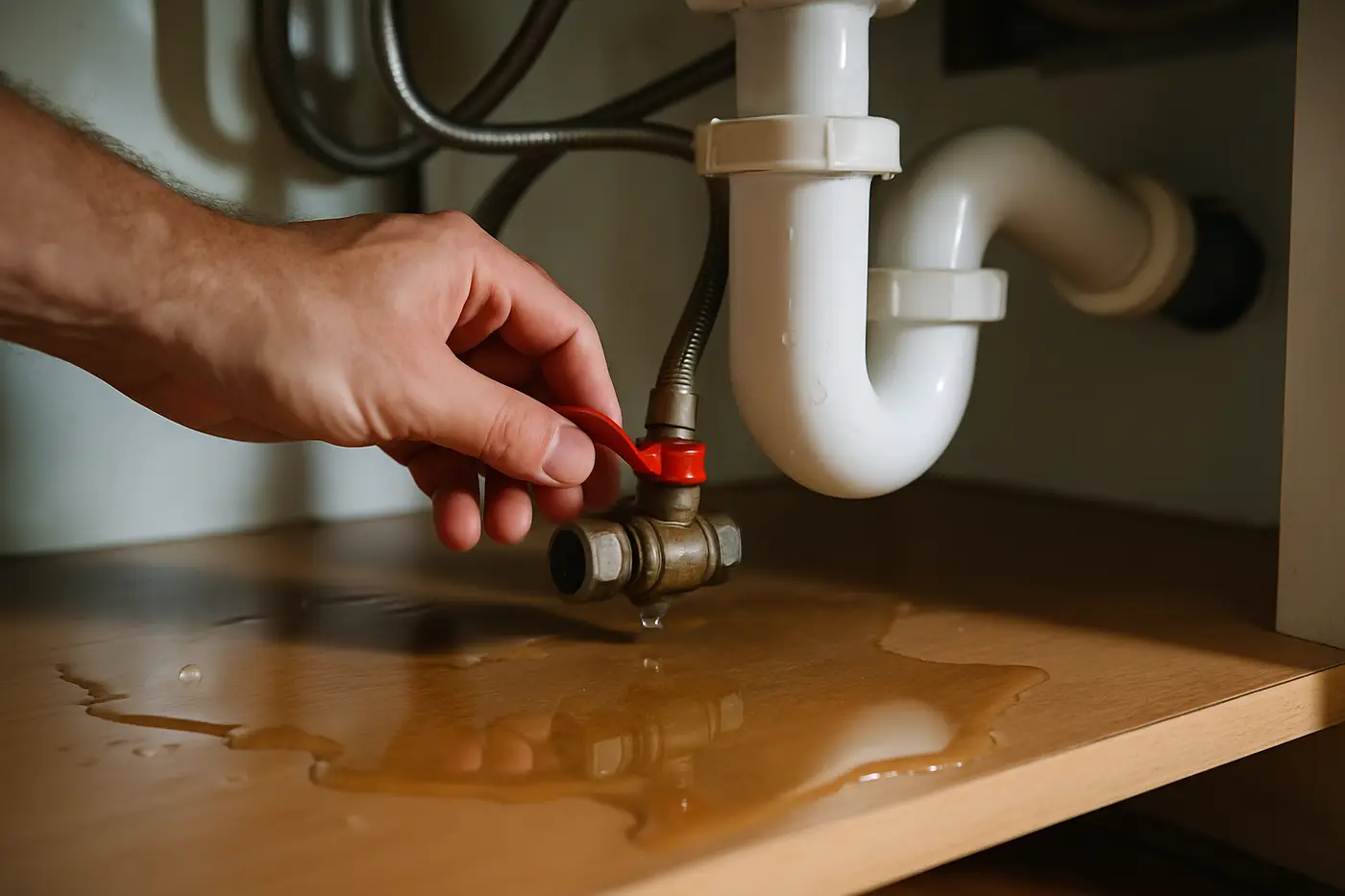
- Close the isolation tap behind the fixture, or the meter at the front boundary.
- Switch off power to the wet rooms at the switchboard.
- Move rugs, furniture and contents off the wet floor.
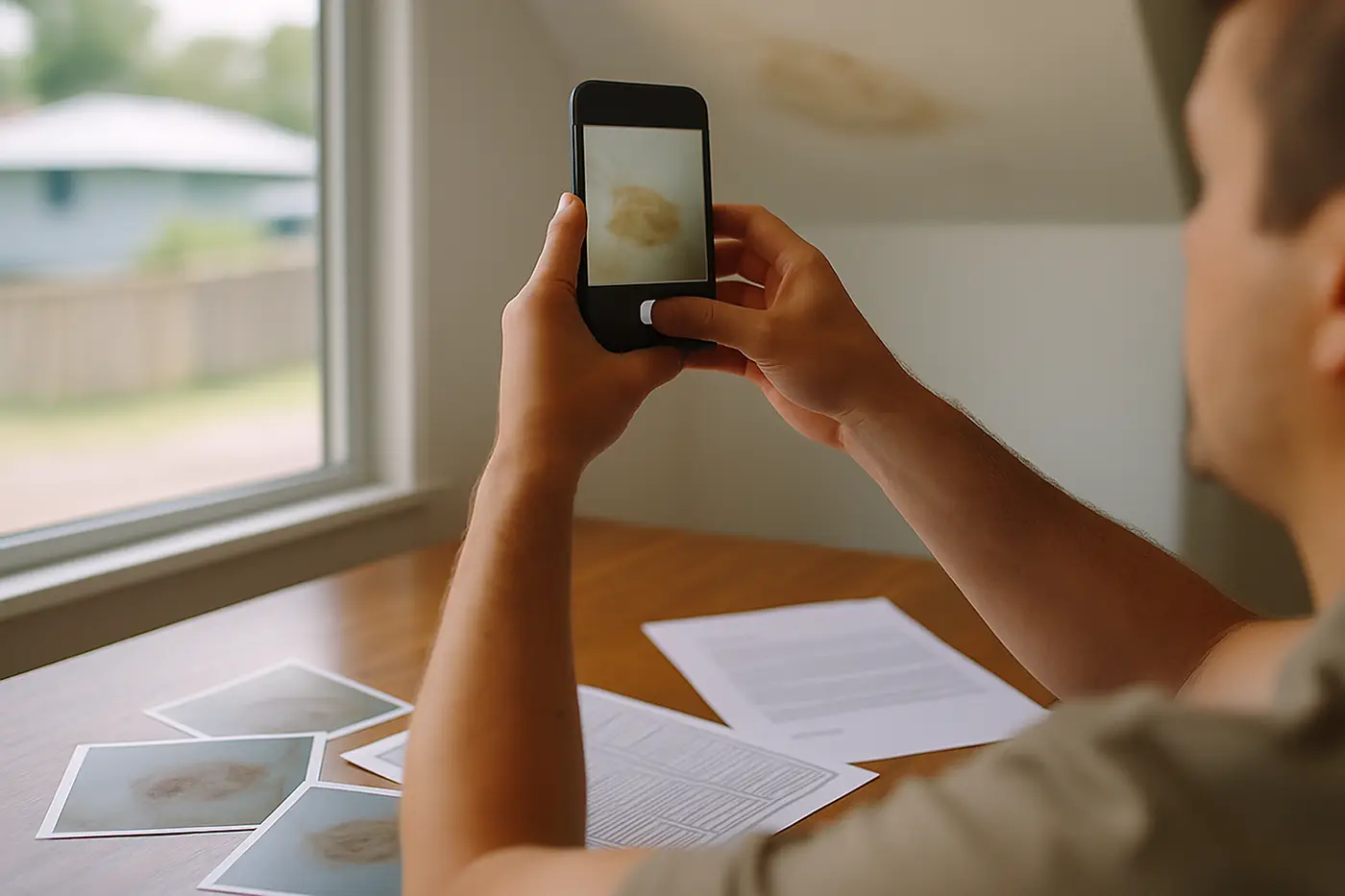
- Photograph the hose, the water and every affected room before touching anything.
- Remove standing water and get air moving.
- Call a restorer the same day if water has gone into carpet underlay, under floating floors or into walls.
Keep the failed hose. Insurers occasionally ask to see it, and the state of the braid tells them the failure was sudden rather than a neglected leak.
What the restoration involves
A burst flexi hose is the archetypal Category 1 (clean water) event, and if drying starts within a day it is one of the most straightforward jobs a restorer does. A typical emergency water damage response for an overnight burst in a slab home involves moisture mapping, extraction from carpet and under floating floors, antimicrobial treatment, removal of skirting boards where walls are wet, and three to five days of air movers and dehumidification.
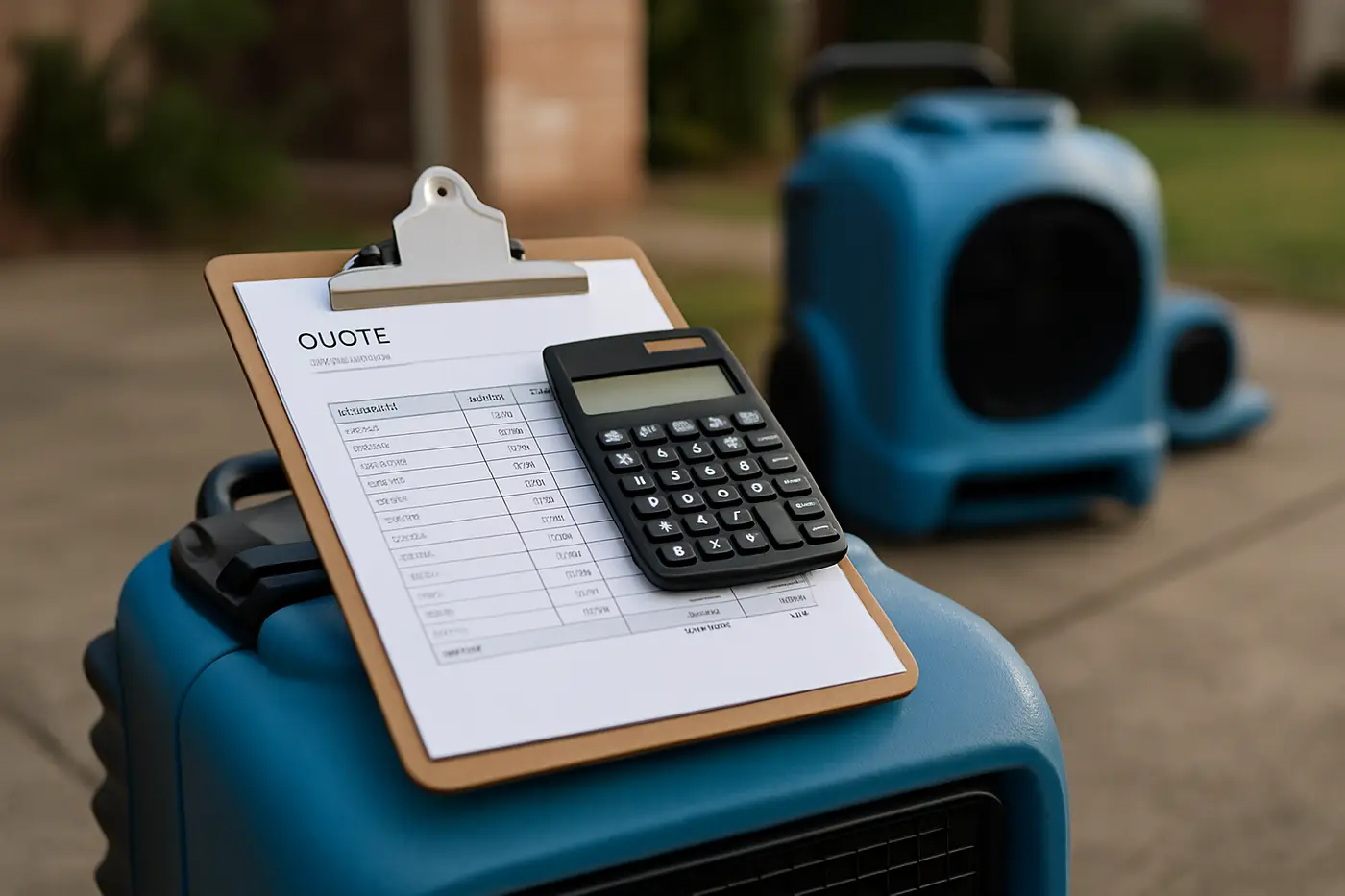
Costs run from $300 to $600 for the assessment, $500 to $2,000 for extraction and $2,000 to $6,000 for a full clean-water restoration across two or three rooms, as set out in our 2026 Brisbane cost guide. The same event discovered after a long weekend, with particleboard floors swollen and mould started in the wall cavities, costs several times that. The hose that caused it costs about $15.
Insurance and the flexi hose
Most Queensland home policies cover sudden escape of liquid from a burst pipe or hose. The hose itself is not covered, but the water damage to the building and contents generally is, less your excess. Two situations cause trouble:
- Gradual leaks. A hose that has been weeping for weeks and rotting the cabinet floor is a maintenance issue, and the resulting damage is often excluded.
- Neglect. A hose that was visibly corroded in a photo the assessor can see is harder to defend.
Both come back to inspection. A hose that was checked six months ago and burst without warning is an insured event. Document the failure, the timeline and the mitigation as described in our guide to water damage claim documentation in Queensland.
Key takeaways
- Flexi hoses are the number one domestic water damage cause in Brisbane, and every house has a dozen of them.
- They fail when chlorine or age corrodes the braid; the failure is sudden and delivers 10 to 20 litres a minute.
- Inspect twice a year with a torch; replace at five years in kitchens and laundries, ten elsewhere.
- Store chemicals away from hoses, fit reachable isolation taps and check your pressure limiting valve.
- Turn the water off at the meter when you travel.
- If one bursts, isolate, cut power, photograph, extract, and get drying started the same day.
- Sudden bursts are insured; gradual, neglected leaks often are not.
If you have just found one, our water damage restoration crews cover Brisbane, Ipswich and Logan and can usually attend the same day.