- #mould
- #humidity
- #water-damage
- #health
- #brisbane
Mould can begin colonising wet plasterboard, timber and carpet underlay within 24 to 48 hours of water damage in Brisbane. The city’s sub-tropical climate, with summer relative humidity of 70 to 80 per cent and temperatures in the mould-friendly range for most of the year, removes the buffer that drier climates enjoy. Drying that starts inside that window prevents mould; drying that starts after it turns into remediation.
Here is what is going on in the wall during those two days, and why the window is a hard deadline rather than a rule of thumb.
Mould needs three things, and water damage supplies the third
Mould spores are everywhere. They are in the air outside, they come in on shoes and clothing, and every Brisbane home has a background population sitting on surfaces waiting. On their own they do nothing. To germinate and grow, they need:
- A food source. The paper facing on plasterboard, the cellulose in timber, the dust on any surface, the starch in carpet backing, the jute in old underlay.
- Suitable temperature. Roughly 5 to 40 degrees, with the fastest growth in the twenties. Brisbane sits in that range essentially year-round.
- Moisture. Either liquid water in the material or relative humidity above about 70 per cent at the surface for a sustained period.
A dry Brisbane house has the first two in abundance. Water damage adds the third. That is why mould after a leak is not a matter of bad luck; it is the expected outcome unless the moisture is removed in time.
Why 24 to 48 hours
Spores that land on a wet, nutrient-rich surface begin to absorb water and germinate within hours. Under laboratory conditions on wet plasterboard at typical room temperature, hyphae (the root-like filaments) start to grow inside the first day and a colony can be established by the second. Visible growth follows over the next few days as the colony spreads and starts producing new spores.
In a temperate climate, a wet wall might drop below the moisture threshold on its own before the colony gets established, simply because the surrounding air is dry enough to pull moisture out. In Brisbane in summer, the surrounding air is already three-quarters saturated. The wall stays wet, the temperature stays ideal, and the colony proceeds on schedule.
That is the whole reason for the 48-hour rule. It is not that mould grows faster here in absolute terms; it is that nothing in the environment slows it down.
What mould does to building materials
Once established, mould does more than discolour a surface.
Plasterboard. The paper facing is the food. Hyphae penetrate the paper and into the gypsum core. Surface cleaning removes the visible colony but not the roots, and the growth returns. Plasterboard with established mould from water damage is cut out and replaced.
Timber framing and floors. Mould on the surface of hardwood is mostly cosmetic and can be cleaned and treated if caught early. Softwood framing, particleboard and MDF are more porous and harder to clean. Prolonged wetting also invites wood-decay fungi, which is a structural problem rather than a surface one.
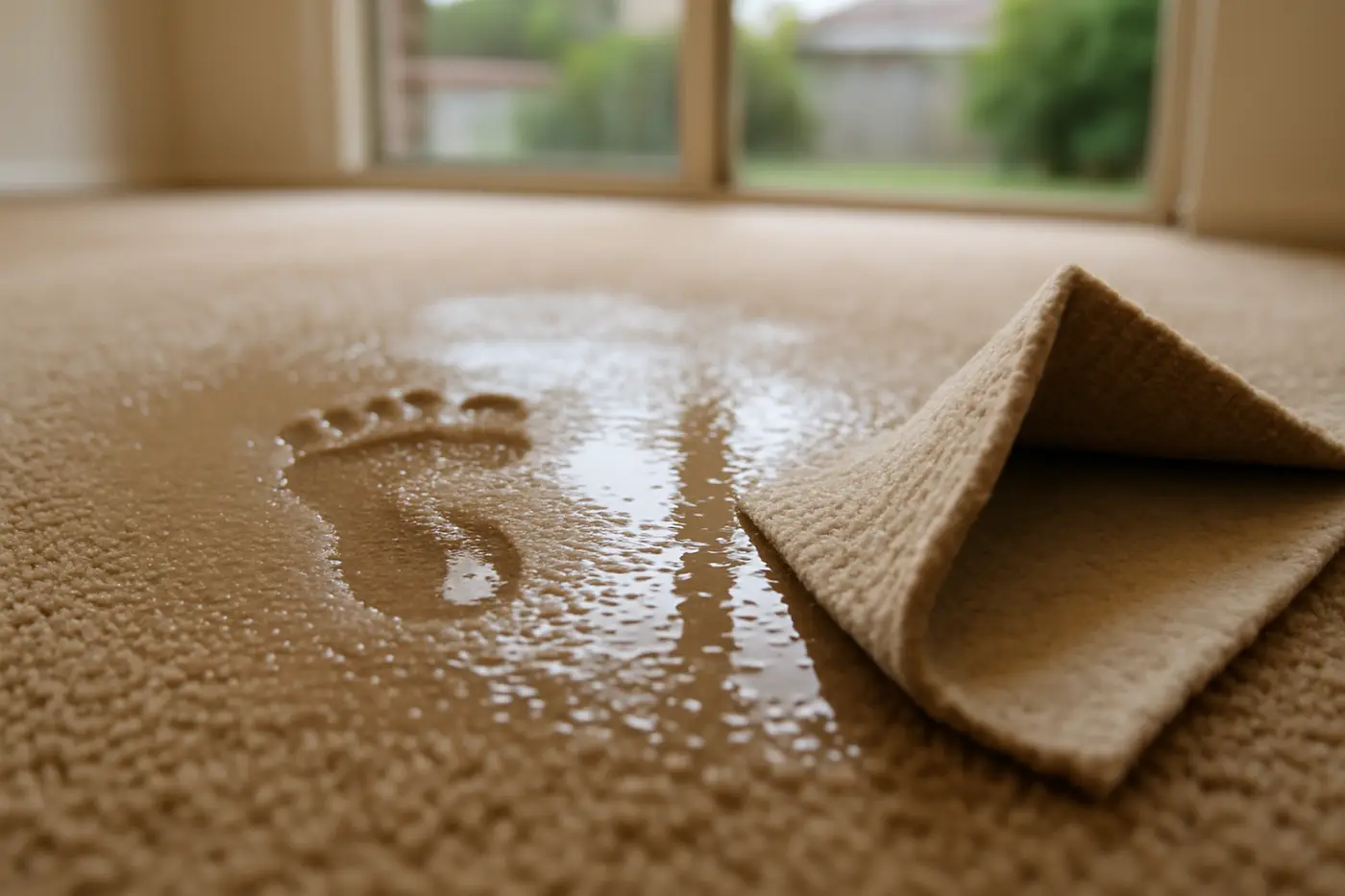
Carpet and underlay. Both are ideal habitats: warm, dark, damp and full of organic dust. Mould in underlay is a replacement issue, not a cleaning issue, as our article on saving wet carpet explains.
Insulation. Ceiling and wall batts that have been wet hold moisture for weeks and are replaced.
Contents. Paper, cardboard, fabric upholstery and leather in a damp room grow mould readily. Solid timber furniture, glass and metal can be cleaned.
The smell arrives before the spots
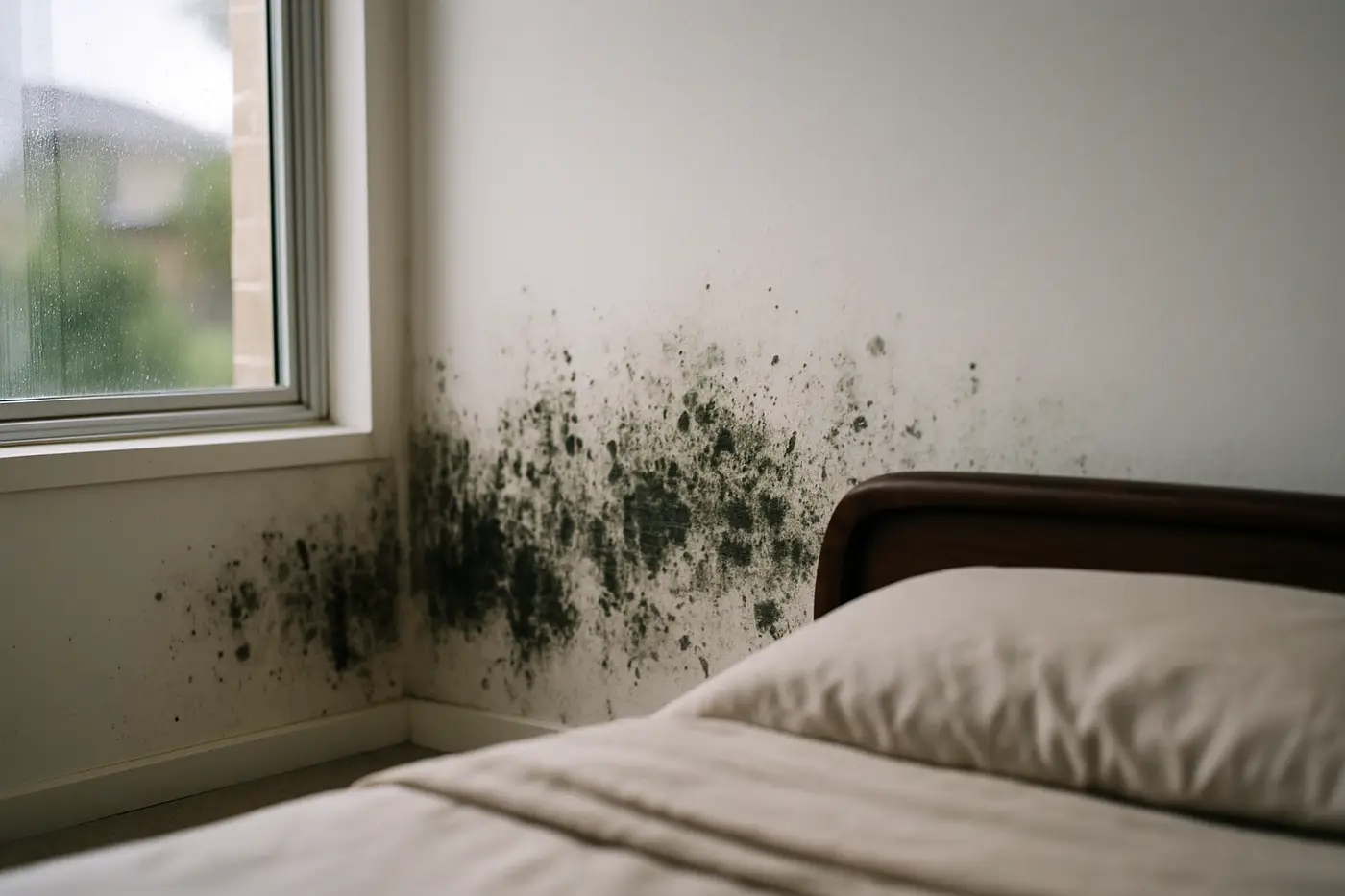
Most people discover mould after water damage by smell rather than sight. The musty, earthy odour is produced by microbial volatile organic compounds released as the colony grows. It often appears on day three or four, before anything is visible, and usually means growth is happening somewhere hidden: behind a skirting board, under a floating floor, inside a wall cavity or beneath carpet.
If a room that was wet a few days ago starts to smell, do not wait for spots to appear. That smell is the deadline being missed, and every day after it shifts the job from drying toward remediation.
Drying versus remediation
The distinction is practical and financial.
| Structural drying (before mould) | Mould remediation (after mould) | |
|---|---|---|
| Governing standard | IICRC S500 | IICRC S520 |
| Goal | Return materials to dry standard before growth | Remove established growth and its source |
| Typical Brisbane cost | $2,000–$6,000 (clean water, 2–3 rooms) | $1,500–$6,000 per contained area, plus drying |
| Materials removed | Usually little for clean water | Affected plasterboard, underlay, insulation, some timber |
| Containment | Not usually needed | Plastic containment, negative air, HEPA filtration |
| Timeline | 3–5 days | Longer, plus rebuild |
| Health precautions | Standard | Respirators, suits, air scrubbers |
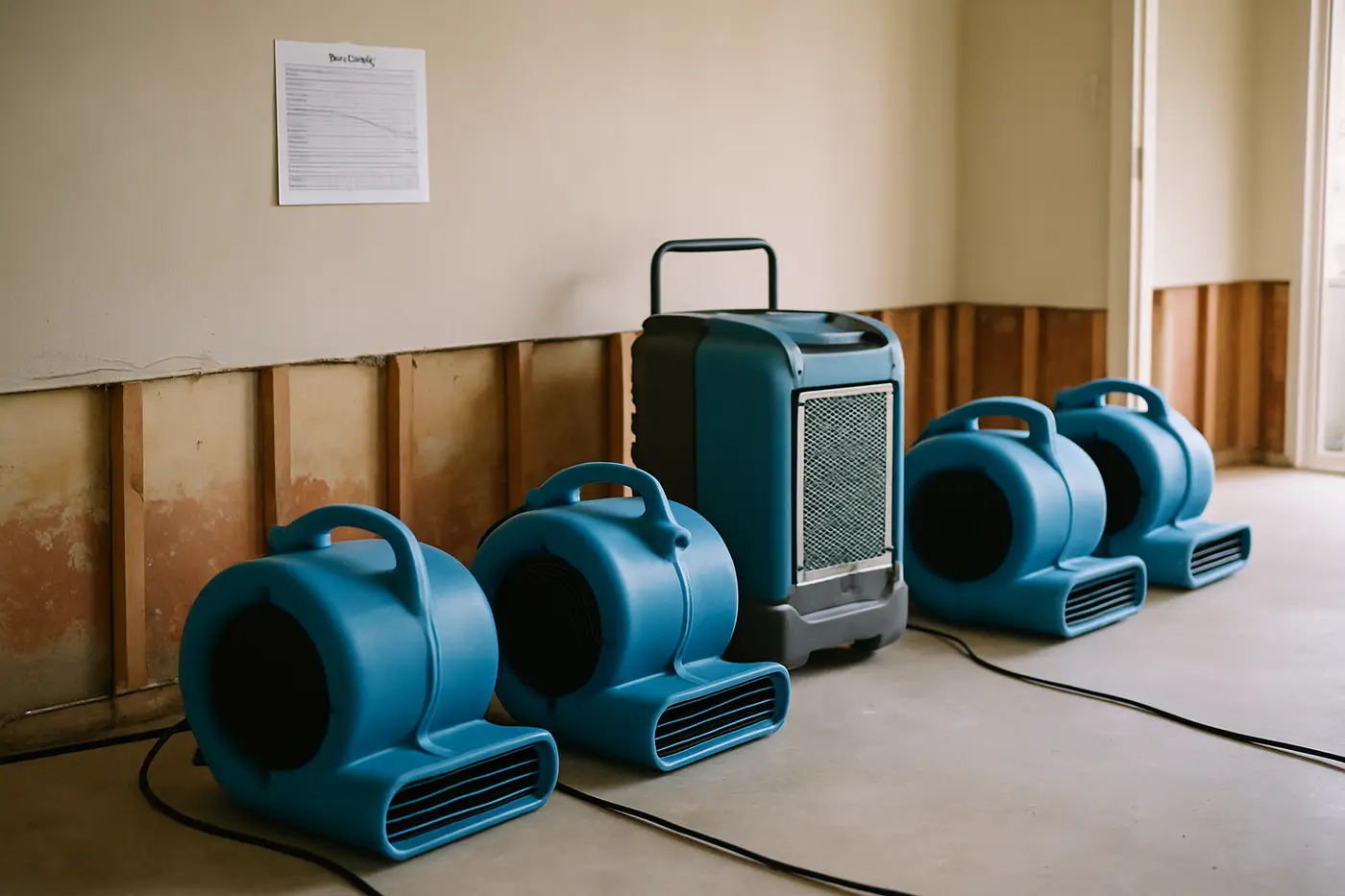
The cheapest mould job is the one that never becomes a mould job. When our crews attend a water damage restoration call within the first day, an antimicrobial treatment is applied to wet surfaces at the start, air movers and an LGR dehumidifier are running within hours, and the wall never reaches the conditions mould needs.
When the call comes on day five, the same room needs mould remediation first: containment to stop spores spreading through the house, air scrubbers, removal of the affected plasterboard and underlay, cleaning and treatment of the framing, then drying, then verification.
Where mould hides after water damage in Brisbane homes
Knowing the housing stock helps predict where the problem will be.
Slab homes (1970s onward, most of the suburbs). Water spreads across the slab under carpet and into the bottom plate of every wall it reaches. Mould shows up at the base of walls behind skirting boards and furniture, and under kitchen kickboards.
Queenslanders on stumps. Water drains through floorboards into the subfloor. The rooms above dry quickly; the bearers, joists and underside of the boards stay damp in the still air under the house. Mould grows unseen for weeks. Subfloor ventilation matters enormously here.
Modern estate homes. Particleboard flooring and MDF skirting swell and hold water; wall cavities are tight and poorly ventilated; ensuite and laundry leaks migrate under floating floors into bedrooms. Mould is often found when a floor is lifted for a different reason.
Post-war brick veneer. The cavity between brick and frame can hold water from a roof leak or overflowing gutter, and mould grows on the back of the plasterboard where nobody can see it.
What to do inside the window
If you have water damage right now, the steps that keep you on the drying side of the line are:
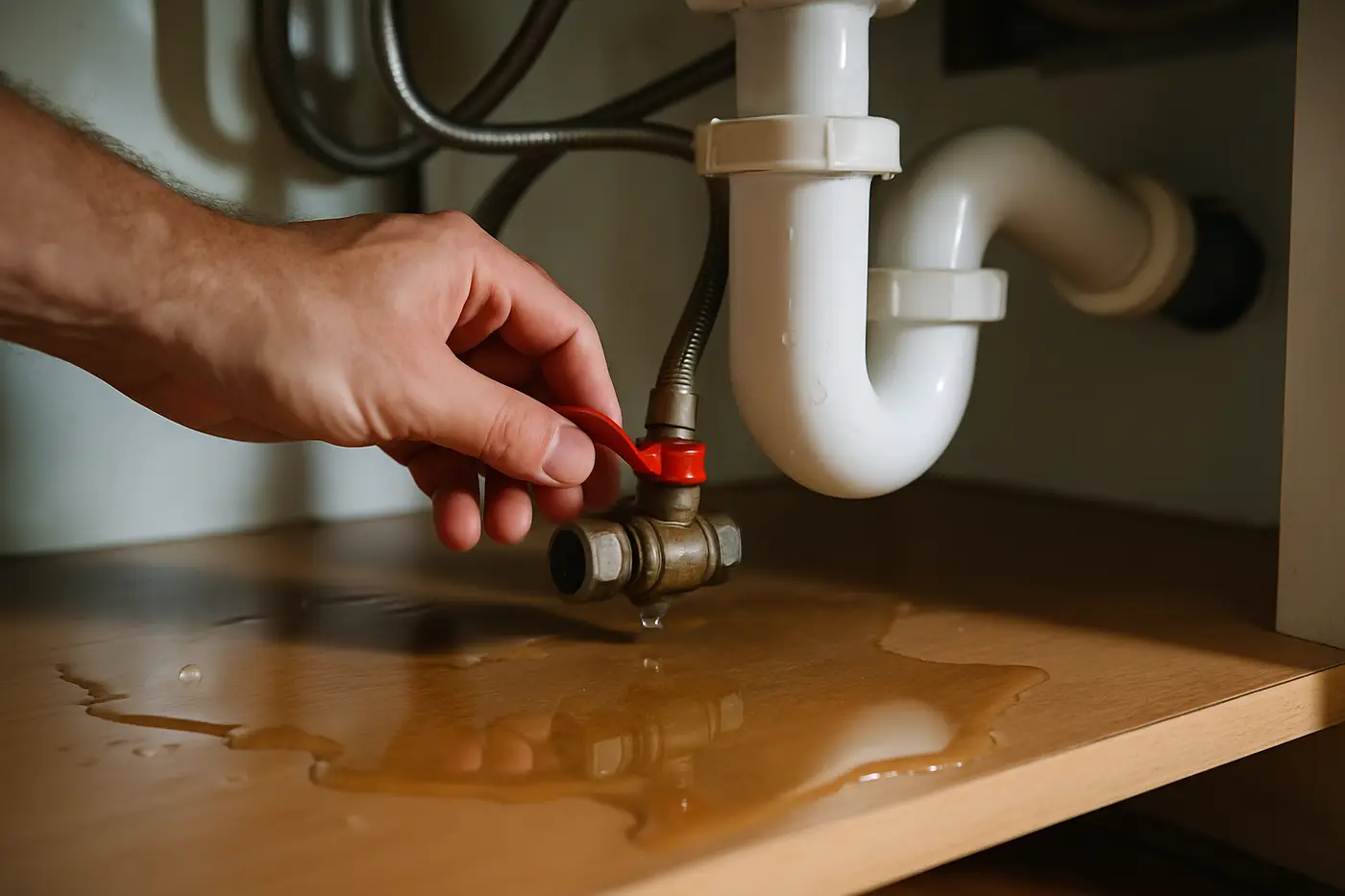
- Stop the water and remove standing water immediately. Our first hour guide covers the sequence.
- Get air moving across wet surfaces and, if you have one, run a dehumidifier in a closed room. Do not open windows on a humid day.
- Lift wet rugs, open cabinet doors, pull furniture away from wet walls.
- Call a restorer the same day if water has gone into carpet underlay, under a floating floor or into walls. The assessment fee ($300 to $600) is small next to remediation.
- Do not paint over, seal or cover wet surfaces to hide staining. Trapped moisture guarantees growth.
What to do if you are already past it
If mould is visible or the room smells musty:
- Keep the room closed to limit spore spread, but do not run the air-conditioning on that zone; it will distribute spores through the house.
- Do not dry-brush, sand or scrape mould. That aerosolises it.
- Do not rely on bleach on porous surfaces.
- Photograph everything for the insurer, including the timeline of the original water event.
- Arrange a remediation assessment. Small areas of surface mould on hard surfaces can be cleaned; anything on plasterboard, in underlay or in a wall cavity needs proper containment and removal.
Health considerations
For most healthy adults, short exposure to mould from a recent water event causes irritation: itchy eyes, a runny nose, a scratchy throat. For people with asthma, allergies, chronic lung conditions or compromised immunity, and for infants and the elderly, the risks are higher and exposure should be avoided. Bedrooms with active mould growth should not be slept in until remediated.
Queensland Health’s guidance is consistent with the practical approach above: fix the moisture source, dry the building, remove mouldy porous materials, and clean hard surfaces. There is no reliable way to live with active growth in a wet wall.
Key takeaways
- Brisbane homes already have spores, food and warmth. Water damage supplies the missing ingredient.
- Colonisation begins within 24 to 48 hours; visible growth within days; smell often comes first.
- Drying inside the window costs less and removes less material than remediation after it.
- Humid summer air will not dry a wet wall; a closed room with a dehumidifier will.
- Bleach does not fix mould in plasterboard, timber or underlay.
- Slab homes grow mould at the base of walls; Queenslanders grow it in the subfloor.
- Document the timeline: prompt mitigation is what keeps mould covered under your claim.
Whether you are inside the window or past it, the right call is the same: get the moisture measured and the drying or remediation started today.