Brisbane · Ipswich · Logan
Water Damage Restoration
Service Areas
Six regions, 24 core suburbs and the postcodes between them. Each region has its own creeks, housing stock and plumbing age — open any suburb below for the local water damage context.
- 6 regions · 24 core suburbs
- Typically within 45–70 minutes
- 24/7 emergency dispatch
Confirm coverage for your suburb
6
Service regions across South East Queensland
24
Core suburbs with local guides
45–70 min
Typical response by region
24/7
Emergency dispatch, 365 days
Six regions
Six different water problems,
not one.
River backwater in the inner city. Kedron Brook and Cabbage Tree Creek on the northside. Bulimba and Norman Creek on the southside. Moggill Creek and the river bend out west. The Bremer floodplain in Ipswich. Slacks Creek and the Logan River in Logan. Each one changes what goes on the truck.
- 01 · ~45 min
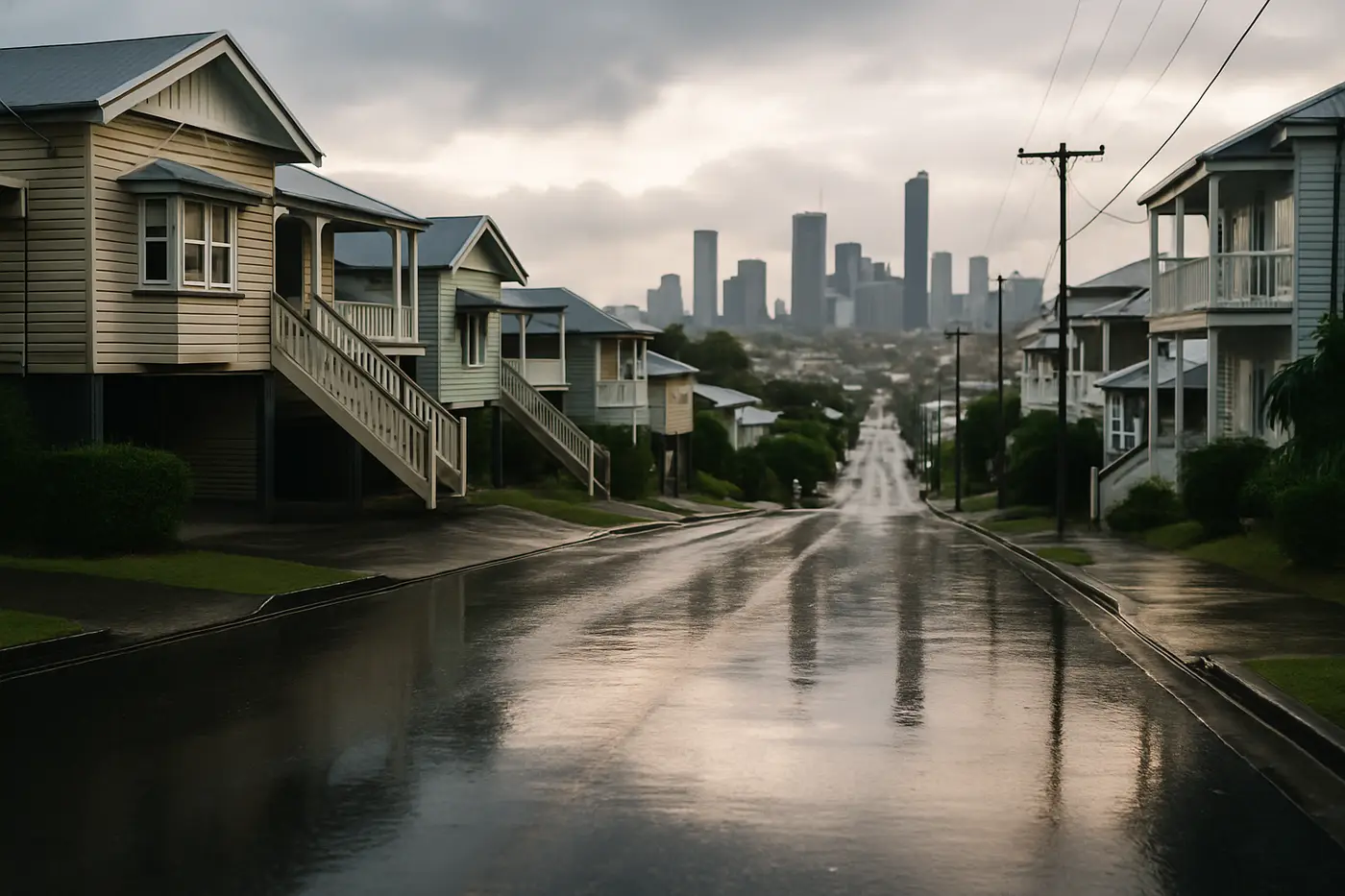
Inner Brisbane
River-reach suburbs with long flood memories
West End · New Farm · Paddington · Toowong
Inner Brisbane overview - 02 · ~60 min
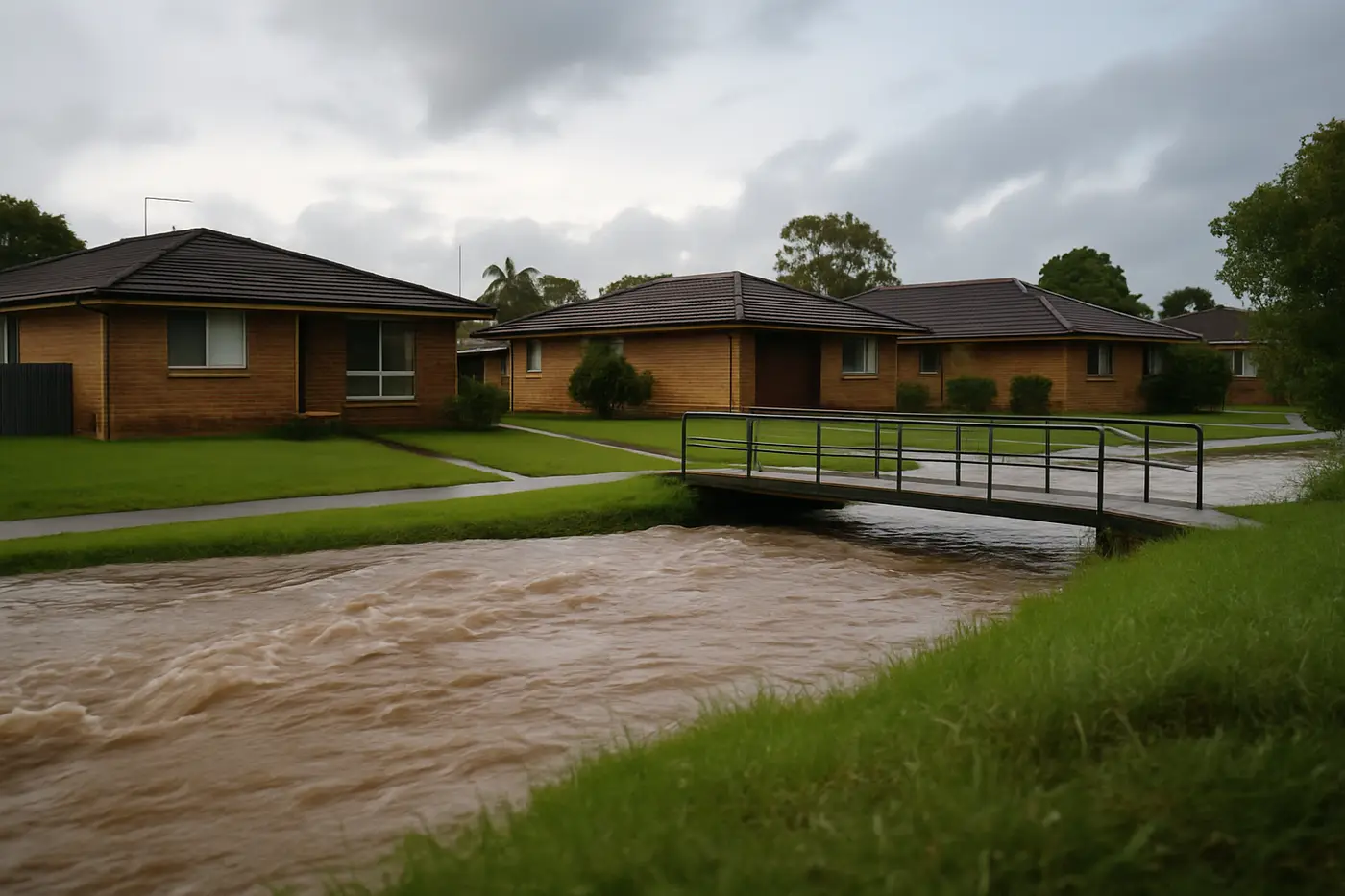
Brisbane Northside
Creek corridors and brick-and-tile suburbs
Chermside · Aspley · Nundah · Redcliffe
Brisbane Northside overview - 03 · ~55 min
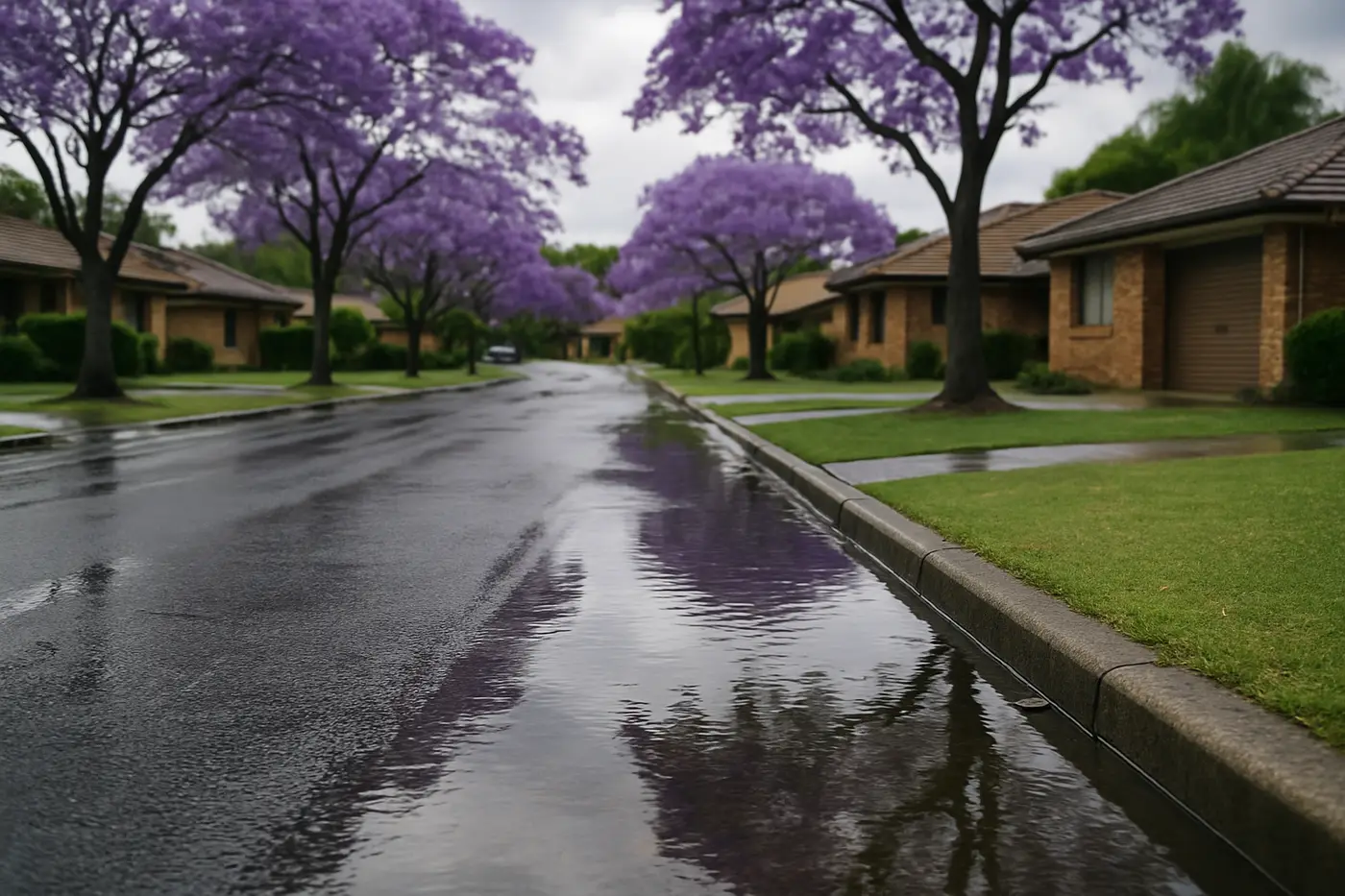
Brisbane Southside
Bulimba Creek, Norman Creek and 1960s plumbing
Carindale · Mount Gravatt · Sunnybank · Holland Park
Brisbane Southside overview - 04 · ~55 min
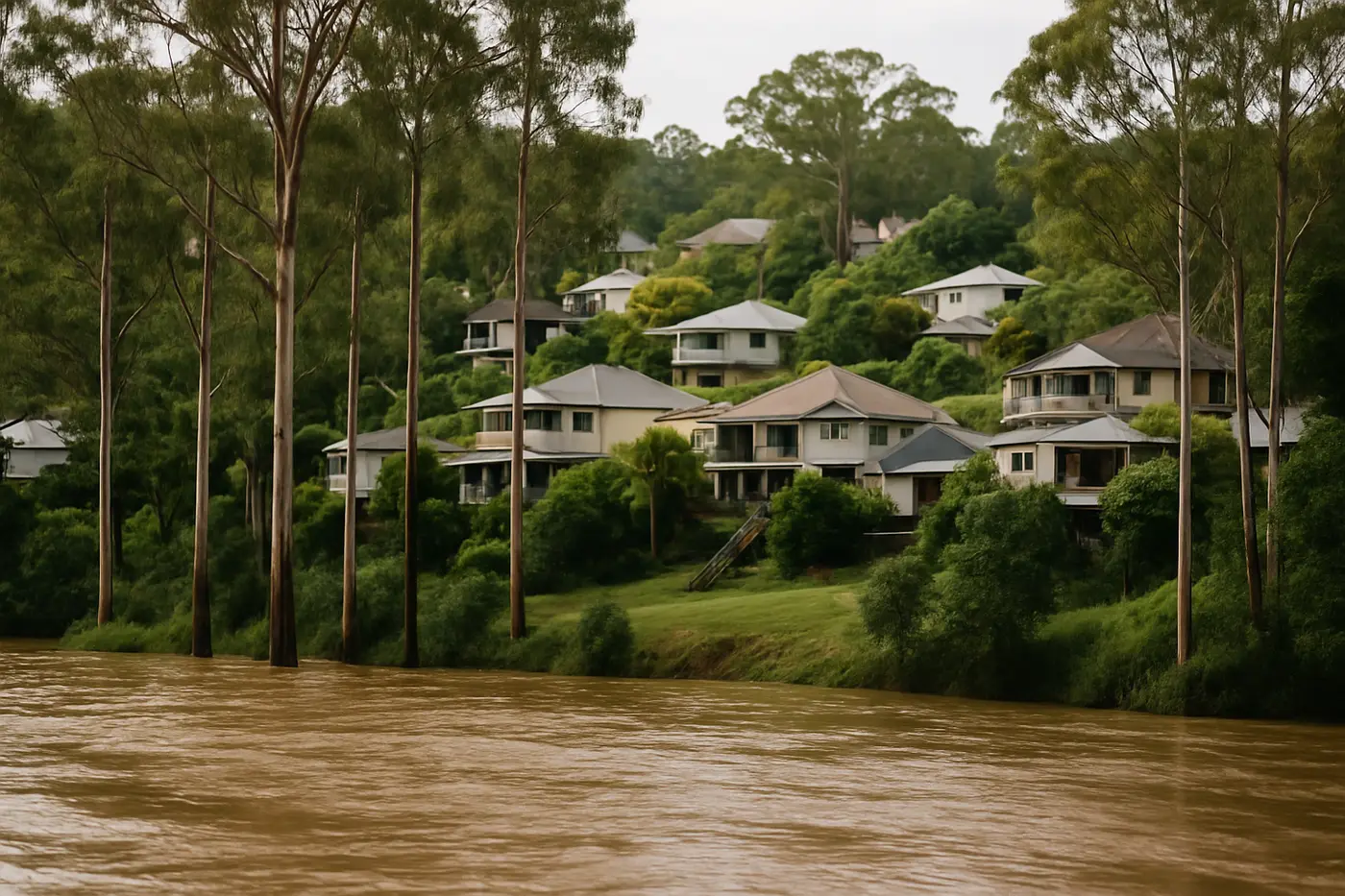
Brisbane West
Moggill Creek, Enoggera Creek and the river bend
Indooroopilly · Kenmore · The Gap · Jindalee
Brisbane West overview - 05 · ~70 min
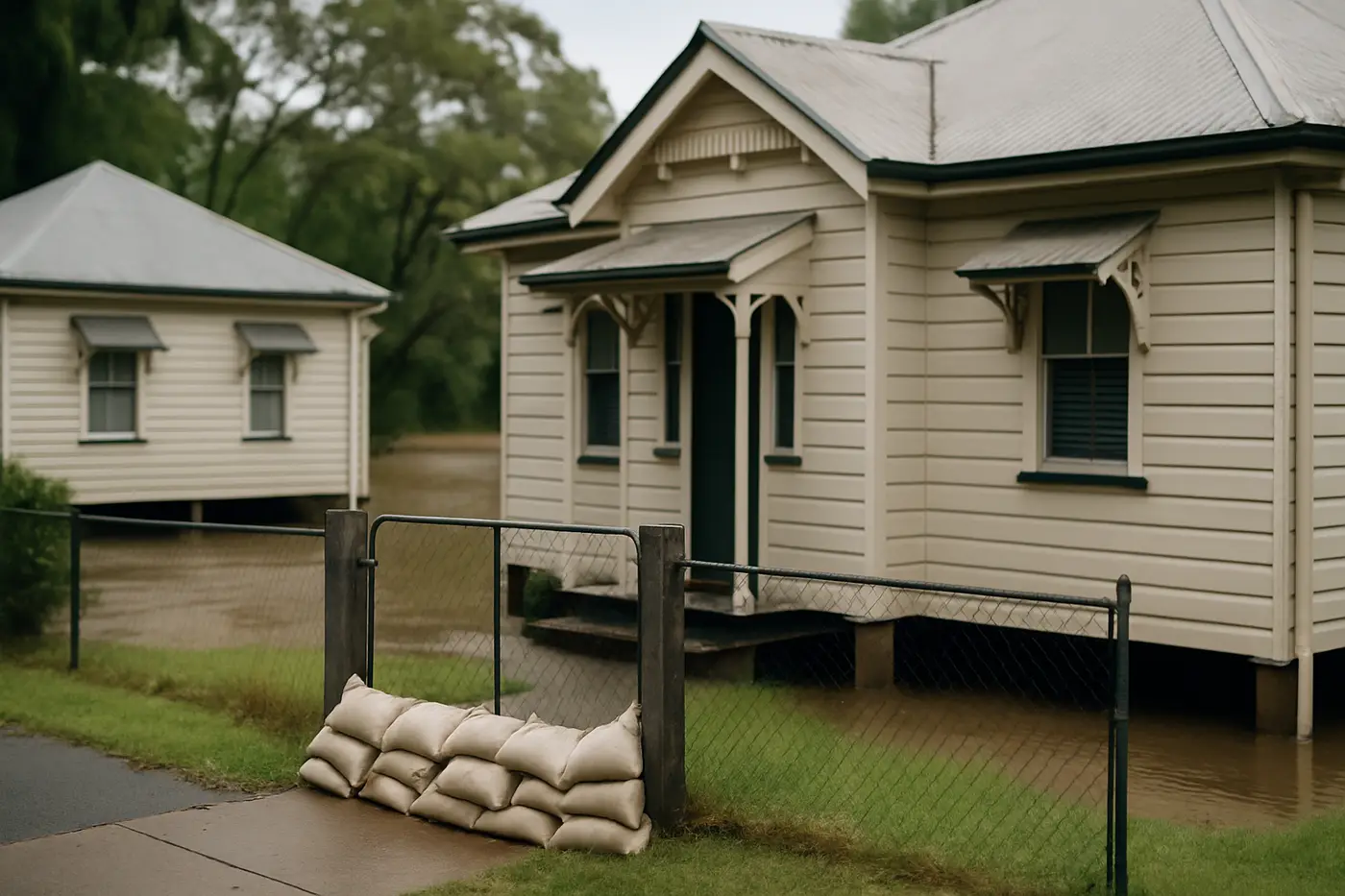
Ipswich
Bremer River floodplain and fast-growing estates
Ipswich · Springfield Lakes · Goodna · Redbank Plains
Ipswich overview - 06 · ~65 min
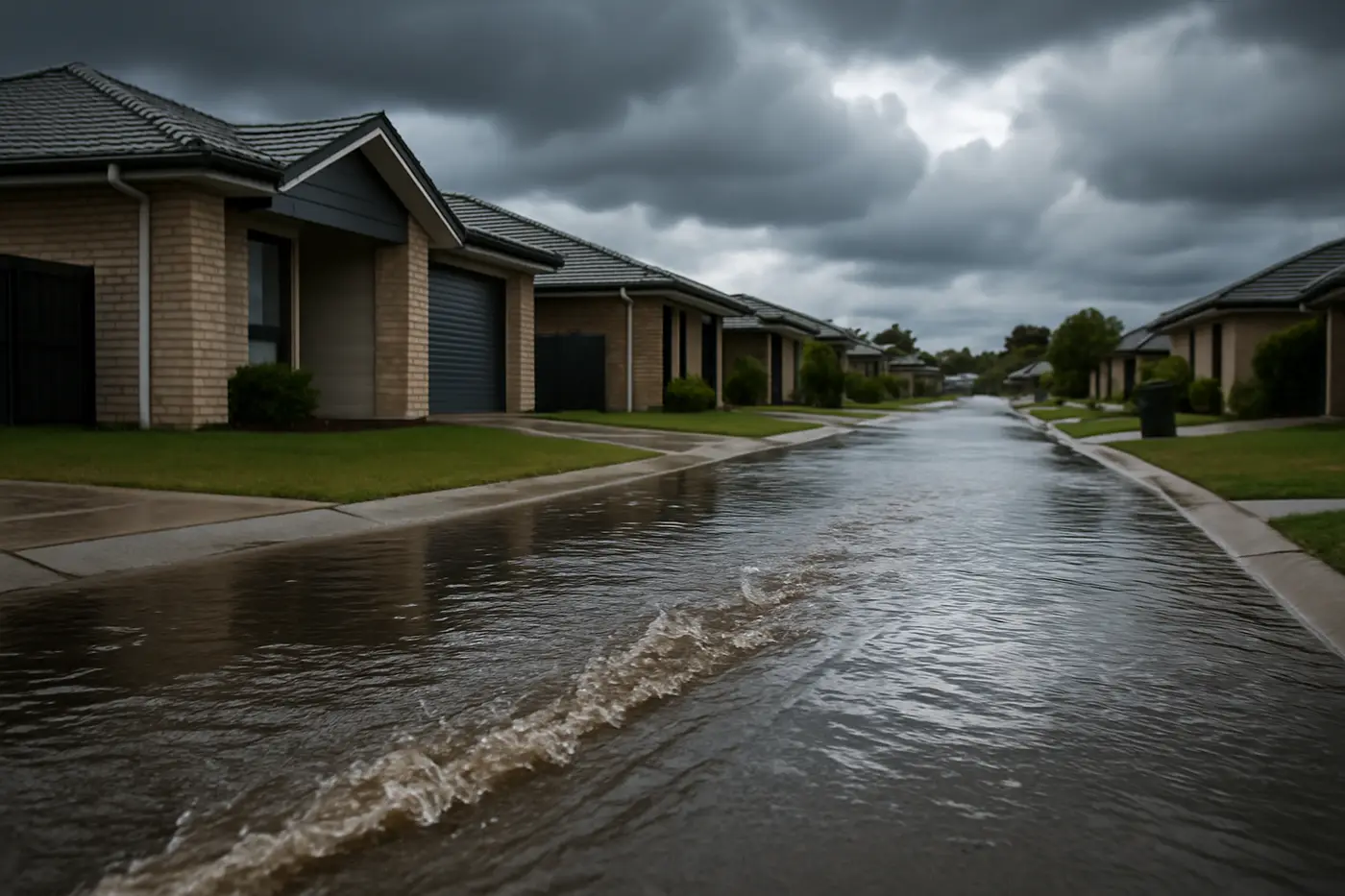
Logan
Slacks Creek, Scrubby Creek and the Logan River
Logan Central · Springwood · Beenleigh · Shailer Park
Logan overview
Full directory
All 24 core suburbs,
grouped by region.
Every suburb page covers the local flood corridor, the housing stock, the five most common water damage issues and what your insurer will ask for.
~45 min typical · 4 suburbs
Inner Brisbane
West End to New Farm, Paddington to Toowong. Queenslanders on stumps, interwar bungalows and riverside apartment towers, where the 2011 and 2022 Brisbane River floods still shape how every water damage job is assessed.
Region overview- West End 4101 Brisbane River flooding through Montague Road and Riverside Drive streets, as in 2011 and 2022
- New Farm 4005 River flooding through low-lying streets near Merthyr Road and Oxlade Drive
- Paddington 4064 Burst flexi hoses and hot water systems in renovated Queenslanders on steep blocks
- Toowong 4066 Brisbane River flooding through the low streets near Sylvan Road and the Regatta, as in 2011 and 2022
~60 min typical · 4 suburbs
Brisbane Northside
Chermside and Aspley to Nundah and Redcliffe. Kedron Brook and Cabbage Tree Creek flash flooding, 1960s-80s brick-and-tile homes on slabs with ageing plumbing, and older coastal timber and fibro stock out on the peninsula.
Region overview- Chermside 4032 Kedron Brook and Downfall Creek flash flooding into low-set streets
- Aspley 4034 Cabbage Tree Creek and Little Cabbage Tree Creek flooding through low-lying streets
- Nundah 4012 Kedron Brook flooding through the low streets between Nundah and Kalinga
- Redcliffe 4020 Storm surge and king tide inundation along the foreshore and low-lying streets
~55 min typical · 4 suburbs
Brisbane Southside
Carindale and Holland Park to Mount Gravatt and Sunnybank. Bulimba Creek and Norman Creek overland flow through established suburbs, and a large stock of 1960s-80s brick homes on slabs where the original plumbing is now failing.
Region overview- Carindale 4152 Bulimba Creek overland flow through the western streets and around the creek reserves
- Mount Gravatt 4122 Original 1960s-70s copper and galvanised plumbing failing inside walls and under slabs
- Sunnybank 4109 Original 1960s-80s plumbing and hot water systems failing in brick homes on slabs
- Holland Park 4121 Norman Creek and Bulimba Creek tributaries flooding through the low streets
~55 min typical · 4 suburbs
Brisbane West
Indooroopilly and Jindalee to Kenmore and The Gap. Riverside streets that went under in 2011 and 2022, leafy creek catchments that flood fast, and 1960s-80s homes under gum canopies where blocked gutters put water into ceilings every storm season.
Region overview- Indooroopilly 4068 Brisbane River flooding through the low riverside streets, as in 2011 and 2022
- Kenmore 4069 Moggill Creek and Cubberla Creek flash flooding through the low streets
- The Gap 4061 Enoggera Creek and Fish Creek flash flooding through the low streets near the reservoir
- Jindalee 4074 Brisbane River flooding through the low riverside streets, as in 1974, 2011 and 2022
~70 min typical · 4 suburbs
Ipswich
Ipswich, Goodna, Springfield Lakes and Redbank Plains. The Bremer River and Woogaroo Creek flooded hard in 2011 and 2022, while the newer estates deal with stormwater surcharge, particleboard flooring and tightly packed low-set slabs.
Region overview- Ipswich 4305 Bremer River flooding through the CBD and the low streets, as in 1974, 2011 and 2022
- Springfield Lakes 4300 Flash flooding and stormwater surcharge across the estate's lake and wetland system
- Goodna 4300 Brisbane River and Woogaroo Creek flooding through the low streets, as in 2011 and 2022
- Redbank Plains 4301 Flash flooding and stormwater surcharge across the newer estates after intense rain
~65 min typical · 4 suburbs
Logan
Logan Central and Springwood to Beenleigh and Shailer Park. Slacks Creek and Scrubby Creek flash flooding through 1970s-90s suburbs, and the Logan and Albert Rivers that rose through Beenleigh in 2011, 2017 and 2022.
Region overview- Logan Central 4114 Scrubby Creek and Slacks Creek flash flooding through the low streets and creek reserves
- Springwood 4127 Slacks Creek flash flooding through the low streets near the creek reserves
- Beenleigh 4207 Logan and Albert River flooding through the low streets, as in 2011, 2017 and 2022
- Shailer Park 4128 Logan River flooding through the low riverside blocks on the southern edge
Don't see your suburb?
The list is the core, not the boundary.
The 24 suburbs above are the postcodes we attend often enough to write a local guide for. Crews cover the whole of the Brisbane, Ipswich and Logan local government areas on the same 24/7 basis, including:
- Chermside West
- Stafford
- Kedron
- Clayfield
- Hamilton
- Bulimba
- Morningside
- Camp Hill
- Coorparoo
- Annerley
- Yeronga
- Moorooka
- Sherwood
- Graceville
- Corinda
- Oxley
- St Lucia
- Chapel Hill
- Bardon
- Ashgrove
- Mitchelton
- Everton Park
- Wynnum
- Manly
- Capalaba
- Bundamba
- Booval
- Ripley
- Kingston
- Loganholme
- Underwood
- Marsden
Outside those areas — the Moreton Bay coast beyond Redcliffe, the Scenic Rim, the Redlands past Capalaba — tell us the suburb and we will be straight about whether we can get there in a useful time.
Confirm coverage for my suburbHow dispatch works
Regional crews, one emergency queue.
Typical response runs from about 45 minutes into the inner city to about 70 minutes out to Ipswich. Here is what sits behind those numbers.
- Regional crews Crews rotate through six patches rather than one central depot, so the technician quoting your job usually knows the local creek, the housing stock and the parking.
- One emergency queue Requests are monitored around the clock. Active water jumps ahead of assessments and quotes, and during storm season that triage is the difference between wet carpet and a ruined subfloor.
- Honest arrival windows Response times above are typical travel, not a promise on paper. If a big cell has crossed the city we will tell you where you sit in the queue before anything is booked.
What stays the same
Same standards,
every postcode.
The suburb changes the creek, the housing stock and the travel time. The drying, the documentation and the way the job is priced do not.
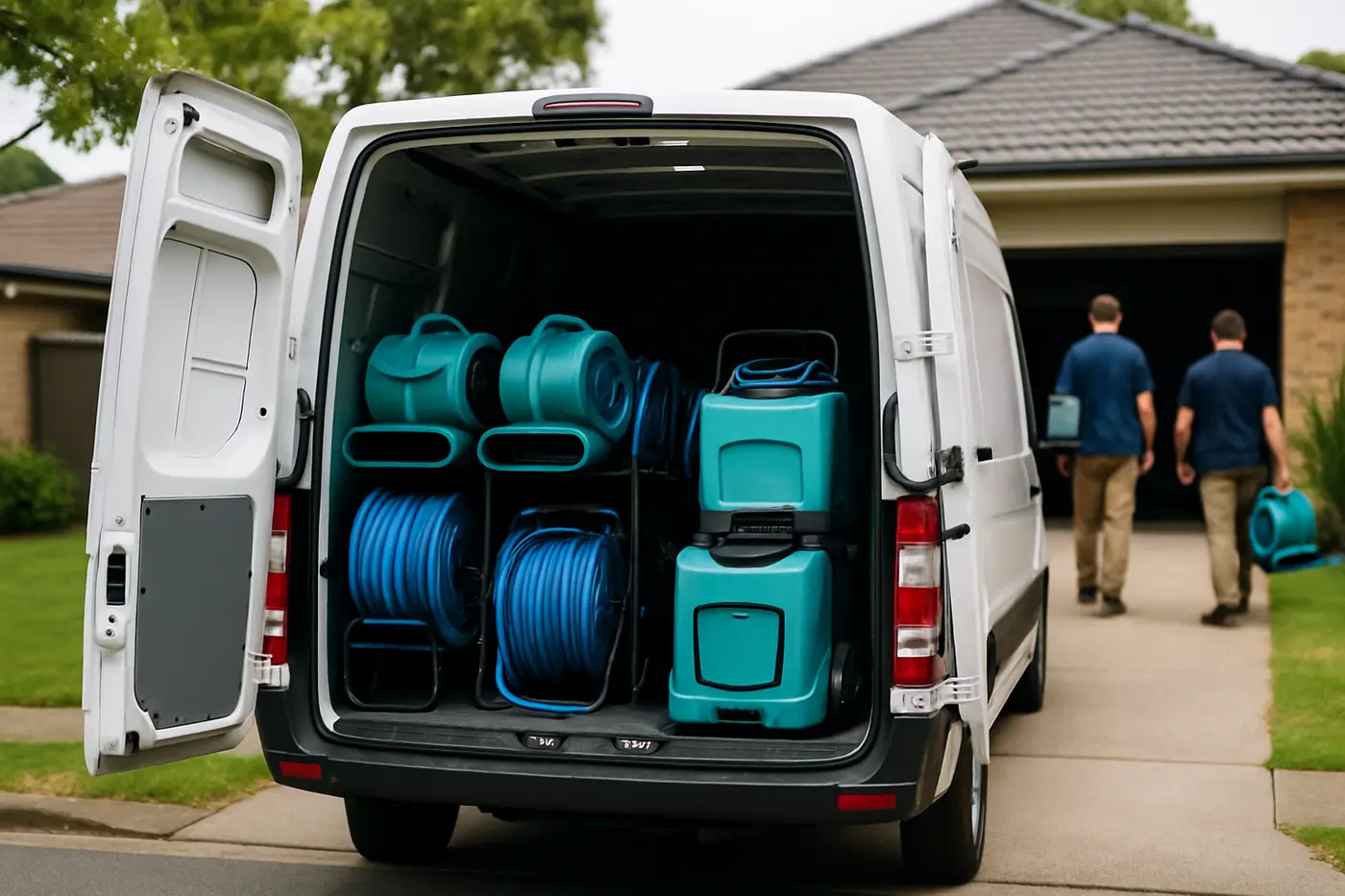
Same drying standard
Every job follows IICRC S500: water category identified, moisture mapped, equipment sized to the evaporation load, readings logged until dry.
Same documentation
Photo record, daily moisture logs and a drying certificate on every job, in the format Queensland insurers expect for storm and water claims.
Same pricing basis
Free on-site assessment, then a written scope before work starts. No suburb loading, no after-hours surprises added to the invoice later.
Same water categories
Clean, grey and black water handled everywhere we go — including Category 3 creek, river and sewage jobs with full PPE and containment.
Ready when you are
Tell us the suburb. We'll confirm the rest.
Suburb, what happened and whether the water is still active. A restoration coordinator will confirm coverage, a realistic arrival window and what to do while you wait.