Skip to content

Emergency restoration · Brisbane, Ipswich & Logan

Fire & Smoke Damage Restoration Brisbane

After the fire is out, the damage keeps spreading — soot etches surfaces, smoke odour settles into everything, and the firefighting water starts the same clock as any flood. We handle all three, across Brisbane, Ipswich and Logan.

  • 24/7 Response
  • IICRC S500
  • Insurance Reports
  • Fully Insured
  • Homes & Business

Request Fire & Smoke Damage Restoration Help

Australian format - we'll call or text you back straight away.
Add brief description (optional)
How urgent?

Free on-site assessment and quote. Insurance-ready report. No obligation. Privacy.

What's included

Everything the job needs,scoped from the first visit.

Every fire & smoke damage restoration job in Brisbane, Ipswich and Logan includes the work below as standard. It is written into the scope before we start, so there are no surprise extras when the invoice arrives.

  • Make-safe, board-up and securing of fire-affected areas
  • Extraction and drying of firefighting water from floors, walls and ceilings
  • Soot and smoke residue removal from walls, ceilings, ductwork and contents
  • Odour removal at the source — cleaning, sealing, thermal fogging and ozone or hydroxyl treatment
  • Contents pack-out, inventory, cleaning and storage
  • Removal of charred and smoke-saturated materials
  • Insurance-ready photo inventory, scope and moisture logs
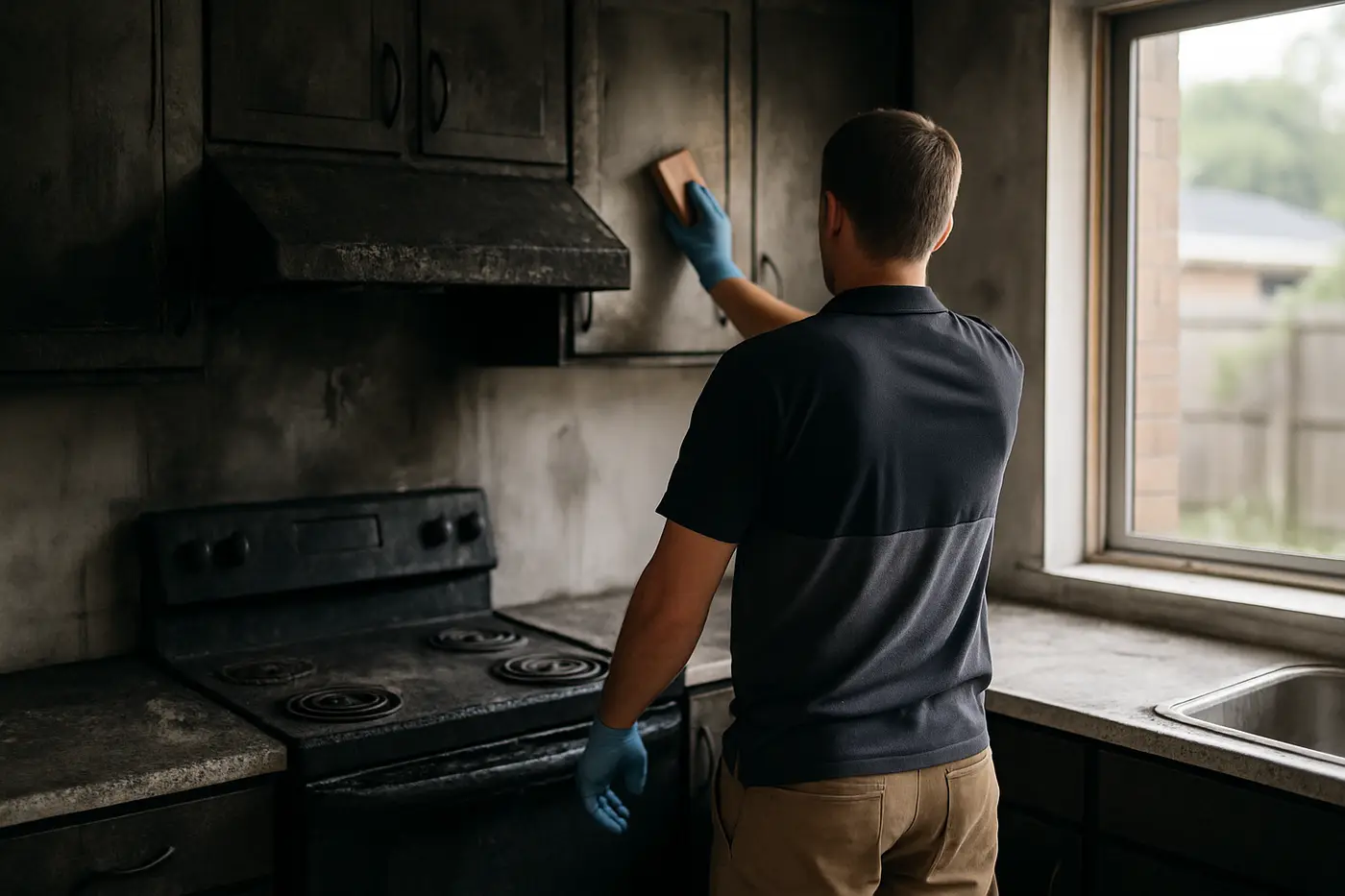
Soot-stained kitchen being cleaned after a house fire

Not sure it is urgent?

Send a few photos with the form. A coordinator will tell you whether it can wait until morning or needs a crew tonight.

When to call

Signs you needfire & smoke damage restoration.

Water moves sideways along bottom plates and under floor coverings, so the wet area is nearly always bigger than the stain you can see. Any of the following is worth a call the same day.

  • A kitchen, electrical or appliance fire has been put out but the house smells of smoke
  • Soot on walls, ceilings or inside cupboards well away from the fire
  • Firefighters used water or foam and floors, carpets or ceilings are wet
  • A neighbouring fire or bushfire has left smoke odour and residue through the house
  • Smoke has been drawn through the air-conditioning ducts
  • Plastics have melted or a protein fire (cooking) has left a film on surfaces
  • The insurer has asked for a restoration scope before repairs can begin

Our process

How fire & smoke damage restorationruns, step by step.

From the first call to the final moisture reading, you will know what is happening, why, and what your insurer will need at each stage.

  1. Step 1: Make safe and assess

    Once the Queensland Fire Department (QFD) has released the property we secure it, check the structure and electrical state, and assess three things: fire damage, smoke and soot spread, and firefighting water.

  2. Step 2: Deal with the water first

    Firefighting water is a water loss with a clock on it. We extract, map the moisture and start structural drying on day one so the fire job does not become a mould job.

  3. Step 3: Remove soot, then odour

    Soot is removed from every affected surface with the right method for the residue type — dry sponge, wet clean or abrasive. Odour is treated at the source, then sealed, then neutralised with fogging or ozone or hydroxyl.

  4. Step 4: Contents, scope, restore

    Contents are inventoried, packed out and cleaned or listed for replacement. You receive a full scope for the insurer, and we reinstate to the approved scope.

Price guide · AUD, 2026

What fire & smoke damage restorationcosts in Brisbane.

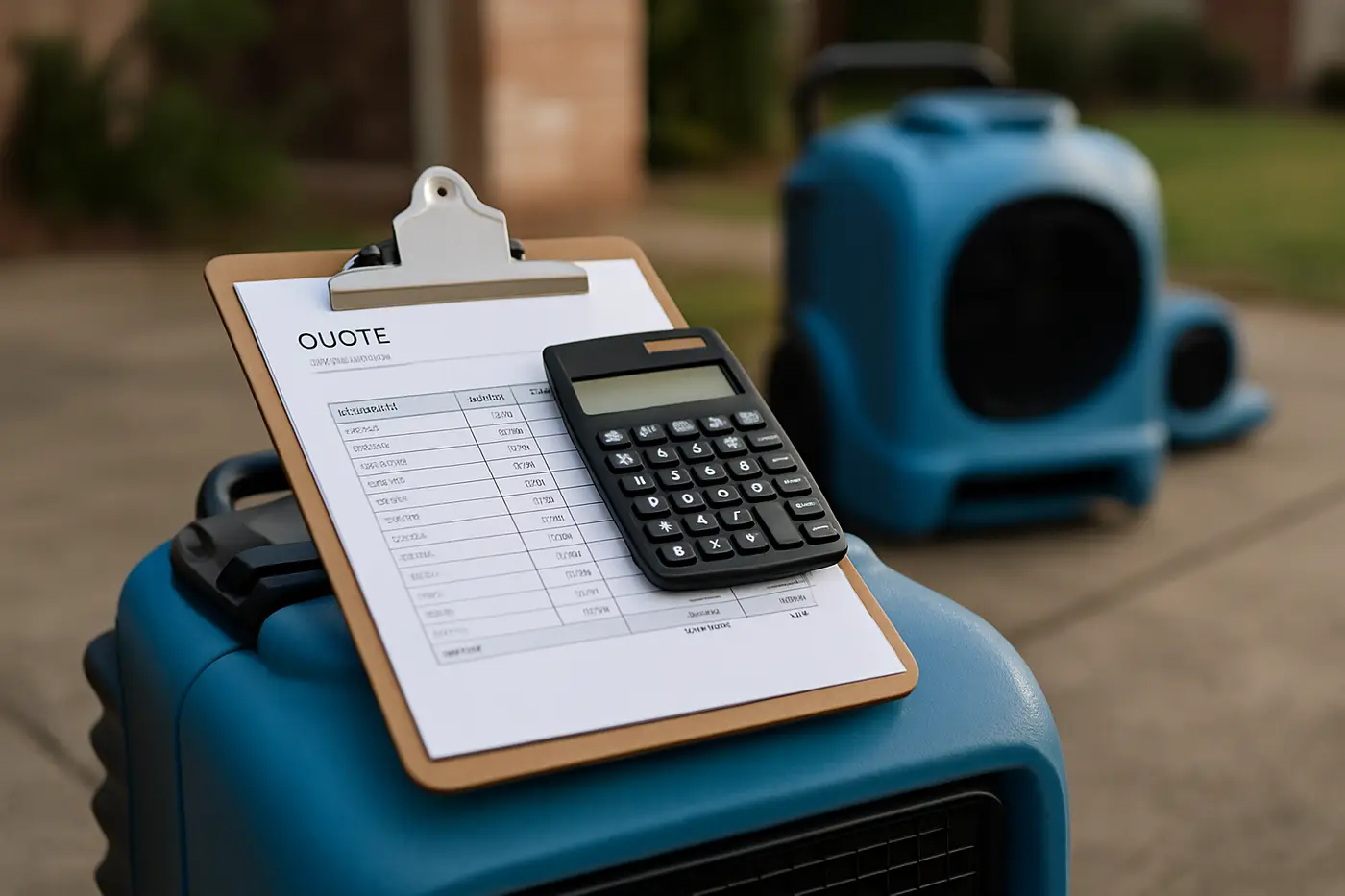
Ranges from typical Brisbane, Ipswich and Logan jobs. The final quote is given on site after moisture mapping, in writing, before any work starts. Insurance direct billing where the insurer approves.

ItemTypical range
Fire and smoke damage restoration Scope-dependent — a contained kitchen fire sits at the low end, a room-and-roof fire at the high end$5,000–$50,000+
Emergency call-out and assessment Make-safe, moisture mapping and preliminary scope$300–$600
Firefighting water extraction Standard home; often more where hoses ran for an extended period$500–$2,000
Structural drying equipment hire Firefighting water typically needs 5–10 days$80–$150 per unit per day
Contents pack-out and restoration Inventory, cleaning, odour treatment and storage$1,000–$5,000

Ranges cover labour, equipment and disposal for 2026. The number you approve on the written quote is the number you pay; if the scope changes once walls are opened, we stop and re-quote in writing.

Full price guide

In depth

Fire & Smoke Damage Restoration in Brisbane: how the job actually runs.

A house fire in Brisbane leaves three separate problems behind, and they run on different clocks. The fire damage itself is obvious. The smoke and soot have spread well beyond the room that burnt, and the residue is corroding metal and staining surfaces from the moment the flames are out. And the water the fire crew used to stop it is now in the floors, walls and ceiling, starting the same 24 to 48 hour mould clock as any flood. Fire and smoke damage restoration means dealing with all three in the right order.

What fire and smoke damage restoration involves

Make-safe. Once the Queensland Fire Department has released the property, we secure it: board-up of broken windows and doors, temporary roof cover where needed, and a check of the electrical state and structural condition of ceilings and floors.

Firefighting water. This is handled first because it is the one part of the job that gets worse by the hour. Standing water is extracted, every wet surface is metered, and air movers and LGR dehumidifiers go in on day one. Ceilings and wall cavities that were hosed from outside are opened and dried.

Soot and residue removal. Every surface the smoke reached is assessed for residue type and cleaned accordingly — dry sponges for powdery soot, wet cleaning for greasy residue from plastics, specific agents for the film left by a cooking fire. Ductwork is cleaned because the air-conditioner has usually pulled smoke through it.

Odour removal. Odour is removed at the source: contaminated materials out, salvageable surfaces cleaned, porous surfaces that cannot be fully cleaned sealed. Then the air and cavities are treated with thermal fogging, ozone or hydroxyl generators.

Contents. Everything is inventoried and photographed. Salvageable items are packed out, cleaned and stored; the rest is listed for replacement with the reason recorded.

Scope and reinstatement. A room-by-room scope goes to you and the insurer, and we reinstate to the approved scope.

Why the water comes first

The IICRC S500 standard does not care what caused the water. Wet gyprock, insulation and timber start supporting mould within a day or two in Brisbane’s humidity whether the water came from a hose under the sink or a hose on a fire truck. A fire job that ignores the water for a week while the soot is cleaned becomes a fire, smoke and mould remediation job.

Firefighting water is also unusual in where it goes. It is applied from above and outside, so it fills ceiling cavities and runs down inside walls that were never touched by flame. Those cavities are opened, the wet insulation removed and the frame dried, with readings logged daily until the timber is back below 18 per cent moisture content. Five to ten days of drying is typical.

Soot types and how they are cleaned

ResidueSourceCharacterMethod
Dry sootFast, hot fire of timber, paperPowdery, sits on surfaceDry cleaning sponges, HEPA vacuum
Wet sootSmouldering fire, plastics, foamGreasy, smears when wipedWet cleaning with degreasing agents
Protein residueCooking fireNear invisible, pungentSpecialised cleaners, full odour treatment
Fuel oil sootFurnace, heater, vehicle in garageSticky, darkWet cleaning, often sealing after

Using the wrong method drives the residue into the surface. A wet wipe across dry soot on a painted wall turns a cleanable wall into one that needs sealing and repainting.

The first hours after a fire

  1. Do not re-enter until QFD releases the property.
  2. Leave the power off until an electrician has checked it.
  3. Do not run the air-conditioner or fans. They spread soot through every duct and room.
  4. Do not wipe soot off walls or furniture. Wait for the assessment.
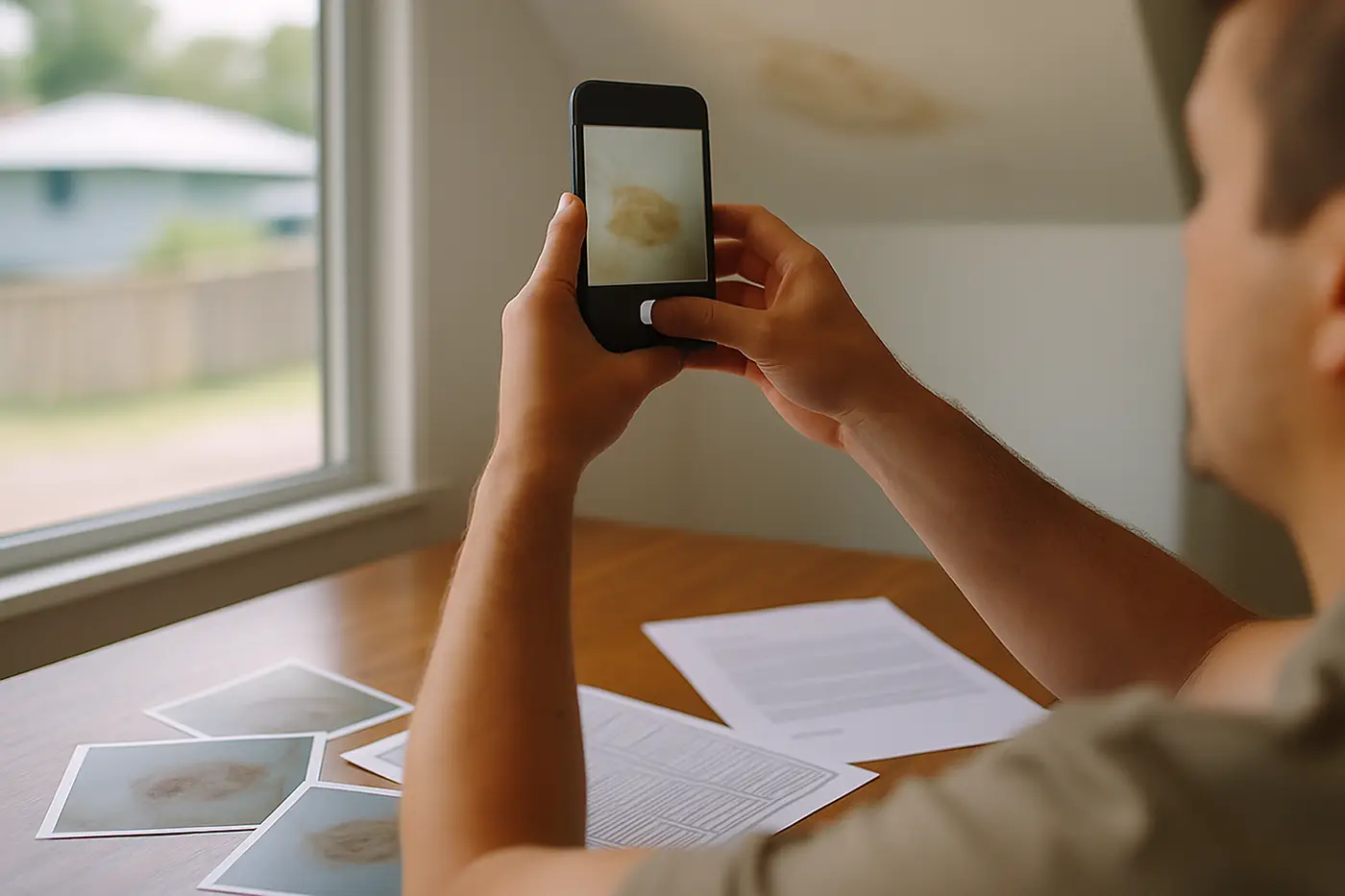
  5. Photograph each room from the doorway.
  6. Call your insurer and us. Restoration scope is usually needed before the insurer approves repairs.
  7. Retrieve essentials — medications, documents, valuables — wearing a P2 mask and gloves.

Fire and smoke jobs across Brisbane, Ipswich and Logan

Queenslanders in Paddington, New Farm and central Ipswich are timber-framed, timber-clad and timber-floored, and they burn fast. The upside is that hardwood cleans and deodorises far better than gyprock, and the open subfloor helps with drying. The risk is smoke in the roof space and VJ walls.

Brick-and-tile homes in Chermside, Carindale, Sunnybank and Springwood contain fire better but hold smoke and firefighting water in gyprock, insulation and carpet on slab — all of which need removal or extended drying.

Units and townhouses across the inner suburbs and Logan Central mean smoke and water in neighbouring properties and a body corporate in the loop.

Kitchen fires are the most common cause we see, followed by electrical faults, heaters and chargers, and garage fires involving fuel, batteries or vehicles.

Insurance and documentation

Fire is covered on every home and contents policy. The work is in the scope: the assessor needs a room-by-room account of structural damage, smoke spread and water damage, a full contents inventory with a clean-or-replace decision on each item, moisture logs, and photos of everything before it is cleaned or removed. We produce that package, and we can work directly with the insurer’s assessor and builder.

What fire and smoke damage restoration costs

Fire and smoke damage restoration runs from $5,000 for a contained kitchen fire with limited smoke spread to $50,000 and beyond for a room-and-roof fire with heavy firefighting water and whole-house smoke contamination. The drivers are the extent of the burn, how far the smoke travelled, the residue type, how much water was used, and the volume of contents. Extraction of firefighting water is $500 to $2,000, drying equipment $80 to $150 per unit per day, and contents pack-out $1,000 to $5,000. Call-out and assessment is $300 to $600.

If your home in Brisbane, Ipswich or Logan has had a fire, leave the soot alone, leave the power off, and call. The water needs to start drying today, and the rest follows in order.

Last updated 14 September 2026
Common questions

Fire & Smoke Damage Restoration, explained.

Straight answers about response times, water categories, drying timelines and what your insurer will expect for fire & smoke damage restoration in Brisbane.

All questions
Why does a fire job involve water damage?

Because a house fire is put out with water, sometimes thousands of litres of it. That water goes through floors, ceilings and walls exactly like a burst pipe or a storm, and in Brisbane humidity it starts growing mould in wet materials within 24 to 48 hours. Firefighting water is extracted and the structural drying started on the first day, in parallel with the soot and odour work, so one problem does not create another.

Can smoke odour really be removed or does it just get masked?

It can be removed, but only by removing the source. Smoke residue settles into porous materials — gyprock, insulation, carpet, timber, fabrics — and a deodoriser sprayed over the top wears off in weeks. The proper sequence is to remove or clean everything holding residue, seal surfaces that cannot be fully cleaned, and then neutralise what is left in the air and cavities with thermal fogging or an ozone or hydroxyl treatment. Odour that comes back on a humid day means a source was missed.

What is the difference between types of soot?

Dry soot from fast, hot fires of natural materials is powdery and comes off with dry cleaning sponges. Wet soot from slow, smouldering fires and burnt plastics is greasy, smears if wiped, and needs wet cleaning with the right agents. Protein residue from a cooking fire is nearly invisible, smells strongly and coats everything. Using the wrong method on the wrong residue drives it further into the surface, which is why assessment comes before cleaning.

Is fire damage covered by insurance?

Fire is a core insured event on every home and contents policy, and it generally includes smoke damage, firefighting water and the costs of make-safe and restoration. The claim process depends on scope: the insurer's assessor will want a full inventory of contents, a room-by-room scope of the structure, and evidence for anything replaced rather than cleaned. We produce that documentation and can work with the insurer's builder.

How long does fire and smoke restoration take?

A contained kitchen fire with smoke spread through the house is typically one to three weeks of restoration before repairs. A room fire with roof involvement and heavy firefighting water can run several weeks, with structural drying alone taking five to ten days. The rebuild after restoration is separate and depends on the builder and the insurer's approval.

What contents can be saved?

Hard, non-porous items — furniture with sealed surfaces, glass, metal, ceramics, appliances that were not heat-affected — clean well. Clothing and soft furnishings can often be laundered or ozone treated. Mattresses, foam, heavily smoke-saturated upholstery, food, cosmetics and anything heat-damaged are listed for replacement. We inventory everything, photograph it and record the decision for the claim.

My neighbour's house burnt — do I need restoration?

Possibly. Smoke travels, and a neighbouring house fire or a bushfire in the outer suburbs can leave soot and odour through a home that was never touched by flame, particularly if windows were open or the air-conditioner was running. It is claimable as smoke damage on most policies. An assessment tells you whether it is a surface clean or something more.

Related services

Water rarely stays in one lane. These are the services most often scoped on the same job.

All services
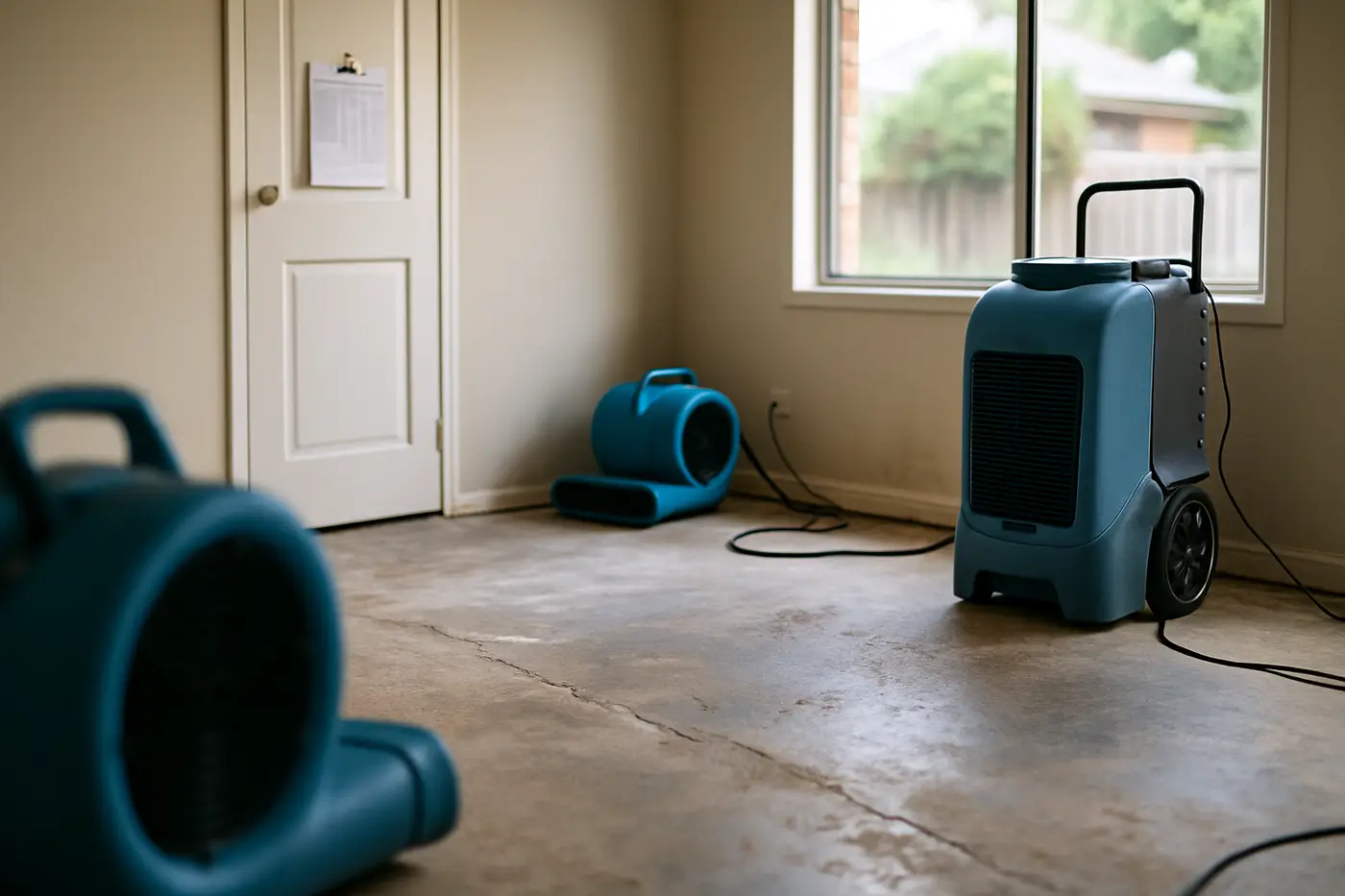
  • Air movers and a dehumidifier drying a water-damaged Brisbane living room
    01

    Water Damage Restoration

    IICRC S500 water damage restoration across Brisbane, Ipswich and Logan. Emergency extraction, moisture mapping, structural drying and insurance-ready reports.

    Learn more
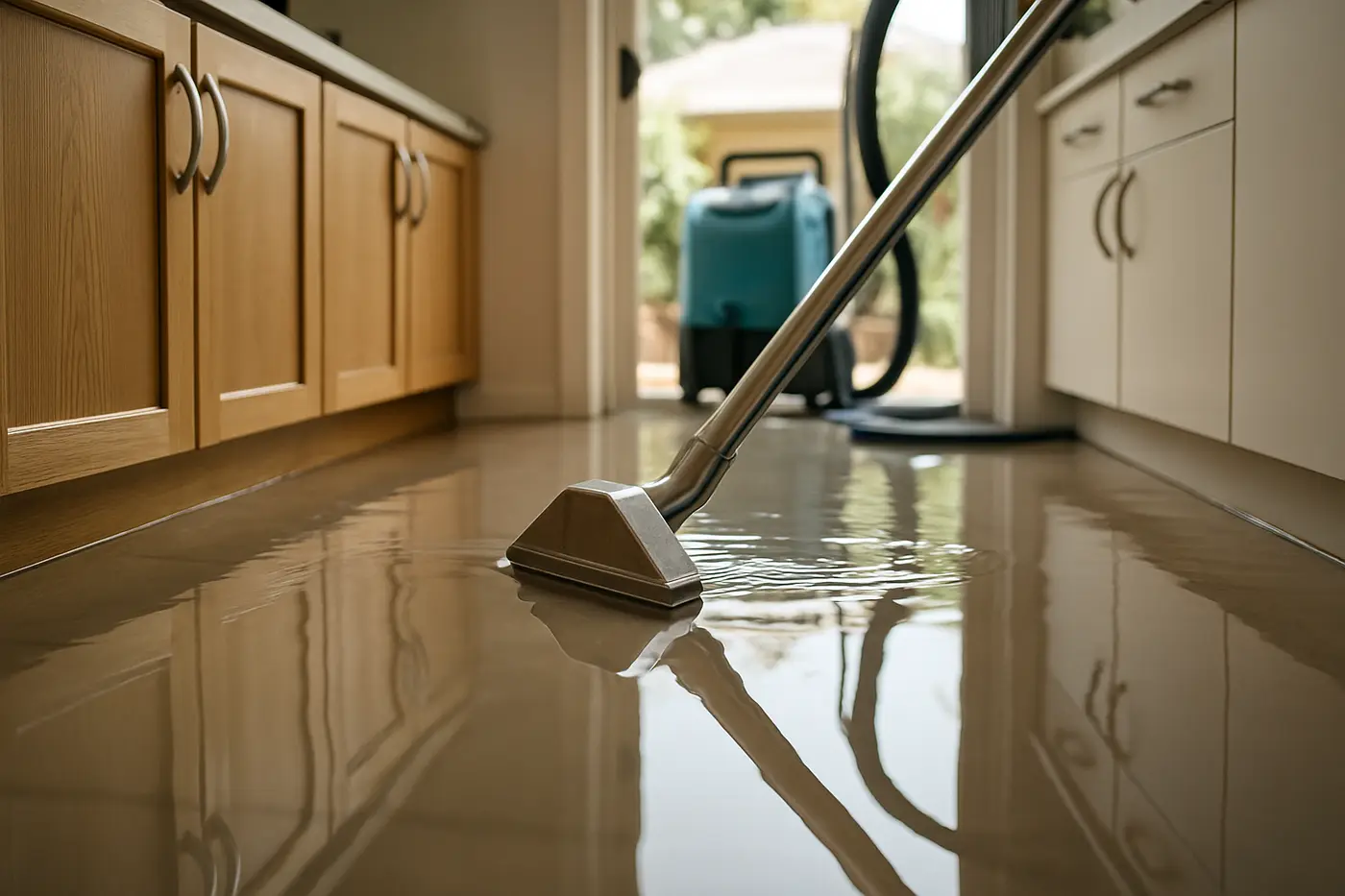
  • Extraction wand pulling standing water from a flooded floor
    02

    Water Extraction

    Professional water extraction and removal services in Brisbane, Ipswich and Logan. Truck-mount and portable extraction, weighted carpet tools and moisture mapping.

    Learn more
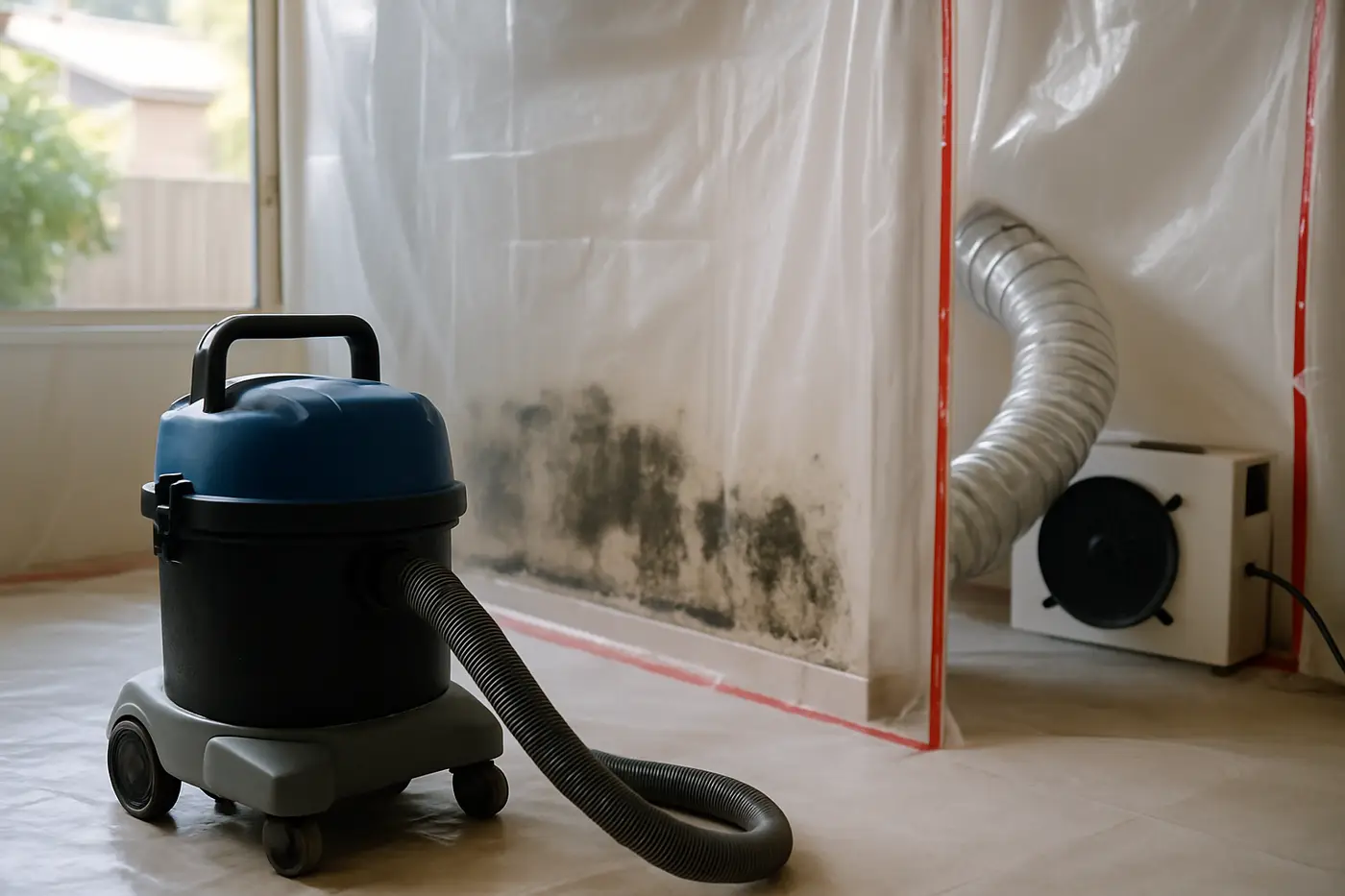
  • Containment sheeting and negative air machine set up for mould remediation
    03

    Mould Remediation

    IICRC S520 mould remediation in Brisbane, Ipswich and Logan. Containment, HEPA filtration, removal of affected gyprock and timber, and drying to stop it coming back.

    Learn more

Helpful reading

Guides that go withthis service.

Practical, Brisbane-specific reading for the first hour, the drying process, mould risk and insurance claims.

Fire & Smoke Damage Restoration · Brisbane, Ipswich & Logan

Let's take the next step toward drying your property.

Tell us what happened, where the water is and whether it is still active. A restoration coordinator will explain what to do next and what your insurer will need.